
Fuel and travel costs are pushing prices up again
Thursday 5 November 2026
Inflation has risen to 3.1%, meaning everyday spending is getting more expensive just as household budgets are already under pressure.
Where Equinomics is today, what we want to build next, and what funding would make possible.
Equinomics began as one person's project. The next step is to turn a working idea into an organisation that serves the public and can keep going.
The long-term aim is a permanent, independent resource that makes evidence about the economy easier for ordinary people to understand and use. We expect to get there in three phases.
The first job is to show that the idea works.
That means building a small number of high-quality tools and resources, being strict about where our figures come from and how we work things out, and learning which parts of Equinomics people find most useful. Early work includes:
The aim is to prove that Equinomics is useful, not to produce a large amount of content.
With funding, Equinomics could build on the strongest parts of what we start with.
That may include more advanced tools, more data, extra research support, teaching resources, partnerships, public outreach, and other organisations using our tools.
How people use the site, and what they tell us, will help decide where the money is best spent.
The longer-term goal is an independent organisation with a strong public reputation, a growing network of contributors and partners, and funding from enough different sources that it does not depend on any one of them.
We want what we make to be useful to individual visitors, and also to teachers, journalists, researchers, charities, community groups and anyone else working to improve public understanding of economics.
Funding lets Equinomics move beyond a prototype built by one person, and invest in the work that makes the project useful, trusted and able to last.
| Programme | What funding supports | Intended outcome |
|---|---|---|
| Interactive tools | Design, development, testing and maintenance of calculators, visualisations and local-data tools. | More people can explore economic questions for themselves rather than relying only on written explanations. |
| Research & evidence | Data gathering, source checking, methodology review and specialist economic input. | Tools, calculations and published claims are accurate, transparent and credible. |
| Public resources | Charts, accessible explanations, downloadable evidence, teaching materials and reusable resources. | Useful economic evidence becomes easier to understand, share and reuse. |
| Local data | Constituency and regional datasets, data processing and accessible local presentation. | National economic issues become more relevant and tangible through local comparisons. |
| Audience development | Partnerships, outreach, newsletters, short-form content and distribution. | More people discover the resources, while usage data helps us understand what is genuinely useful. |
| Infrastructure & governance | Hosting, software, data services, administration, legal support and governance. | Equinomics can operate reliably, independently and sustainably as it grows. |
What we do after the first stage will depend partly on what we learn. We would sooner expand the parts of Equinomics that show real value than commit in advance to a fixed amount of content or a fixed list of features.
We are looking for support for the first stage of a longer-term programme.
First funding would let Equinomics concentrate on building and testing the core of the idea: strong tools for the public, reliable evidence, clear methods, and good ways of reaching the people who could benefit.
We would like to talk to funders who see the value in making evidence about the economy easier to find and use, and who want Equinomics to stay independent.
Keep in the loop
Highlights from about the UK economy, the UK government and the UK public sector.
Thursday 5 November 2026
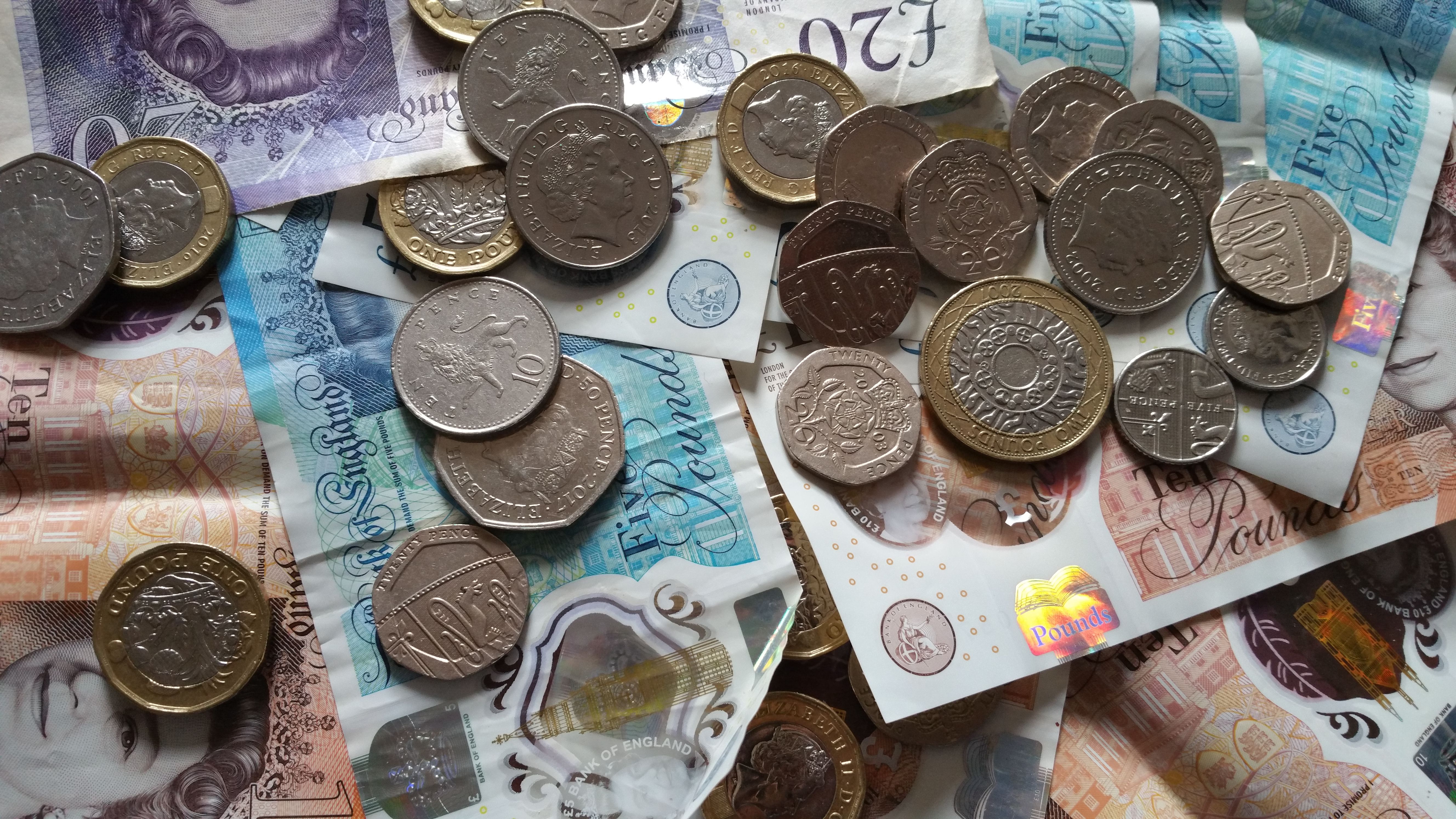
Inflation has risen to 3.1%, meaning everyday spending is getting more expensive just as household budgets are already under pressure.
Wednesday 4 November 2026
Interest rates are staying at 3.75%, so households with mortgages and other borrowing may have to wait longer for costs to come down.

Wednesday 4 November 2026
A higher energy price cap means many households will be paying more to heat and power their homes during the colder months.
Guides and insights
Clear, accessible analysis of the economic issues shaping everyday life

Living standards
Comparing the cost of everyday life across generations, from bread and beer to buying a home.
Food & prices
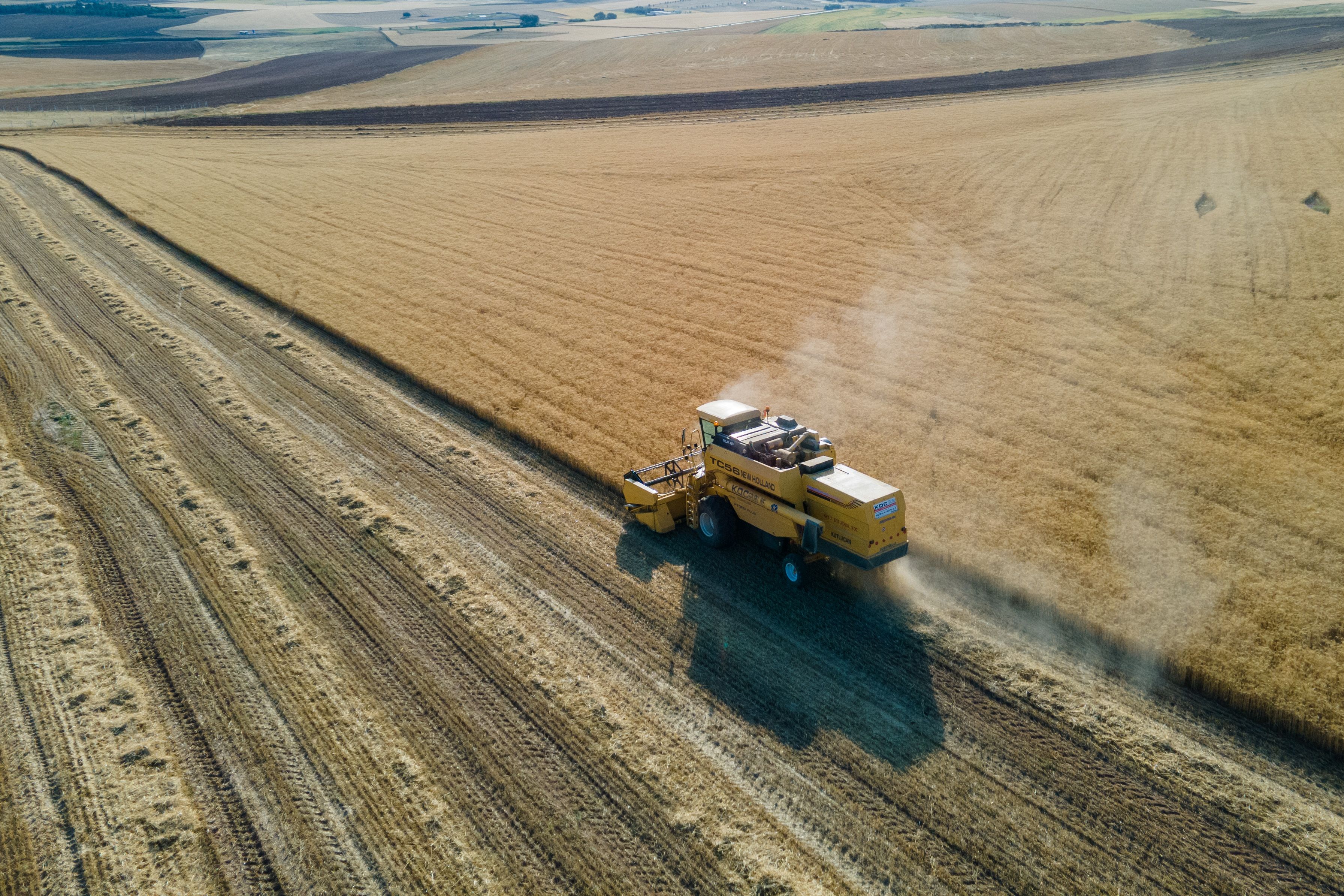
How farming, energy, transport and supermarket competition shape the price on the shelf.
Prices & inflation
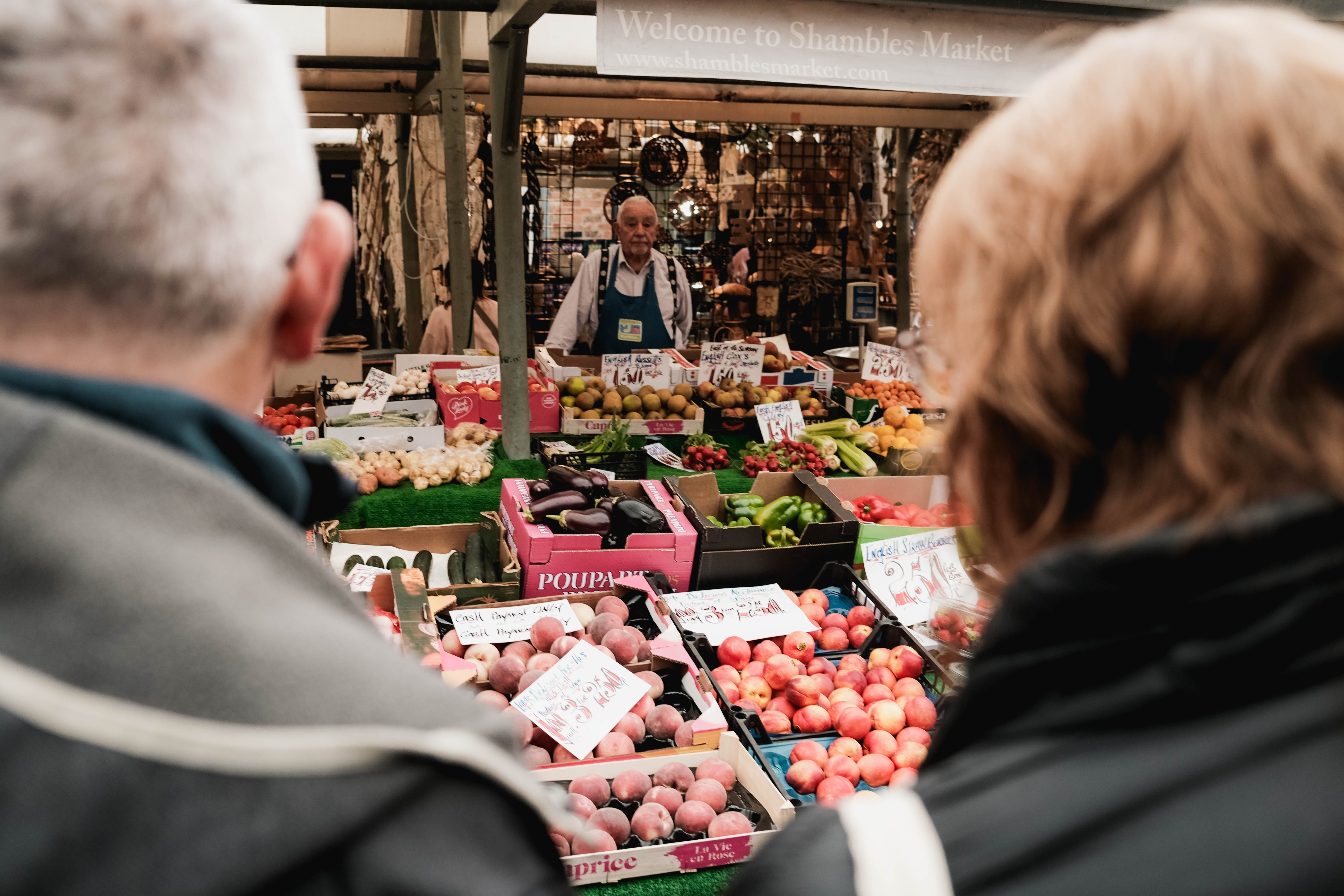
What slower price rises mean for wages, purchasing power and economic recovery.

Shared prosperity
Beyond GDP: how we could measure economic success through security, opportunity and living standards.
We're looking to work with individuals and organisations who can contribute funding, expertise, data, technology, or strategic connections to help build better economic tools and research.