
Fuel and travel costs are pushing prices up again
Thursday 5 November 2026
Inflation has risen to 3.1%, meaning everyday spending is getting more expensive just as household budgets are already under pressure.
Equinomics exists to help more people understand the economic forces that shape their everyday lives, and to make good evidence easier to explore, use and share.
There is no shortage of research, statistics or ideas about the economy. But most of it is scattered across reports, spreadsheets, academic papers and specialist organisations. We want to help bridge that gap.
Equinomics turns that evidence into tools, charts, comparisons and practical resources that anyone can use. We focus on the things that affect people's lives directly: wages, housing, wealth, living standards, tax, public services and the chance to get on.
We believe a successful economy is one where prosperity is spread widely enough for ordinary people to feel it. That means asking more than whether the economy is growing.
Growth matters. So does where it ends up.
A job should offer a secure living and a chance to get on.
Somewhere secure to live should stay within reach.
When economic power is heavily concentrated, the effects are felt across society.
We do not assume there is one simple answer to these questions. Our aim is to make the evidence clearer, to take competing ideas seriously, and to give people better ways to explore the choices involved.
Equinomics is being built around three things.
That make complicated economic questions easier to explore.
Shown clearly, with its sources, its assumptions and its limits in plain view.
That help people, teachers, journalists, researchers and organisations explain economic evidence to others.
The goal is simple: to make useful economics easier to reach, more practical and more relevant to everyday life.
Keep in the loop
Highlights from about the UK economy, the UK government and the UK public sector.
Thursday 5 November 2026
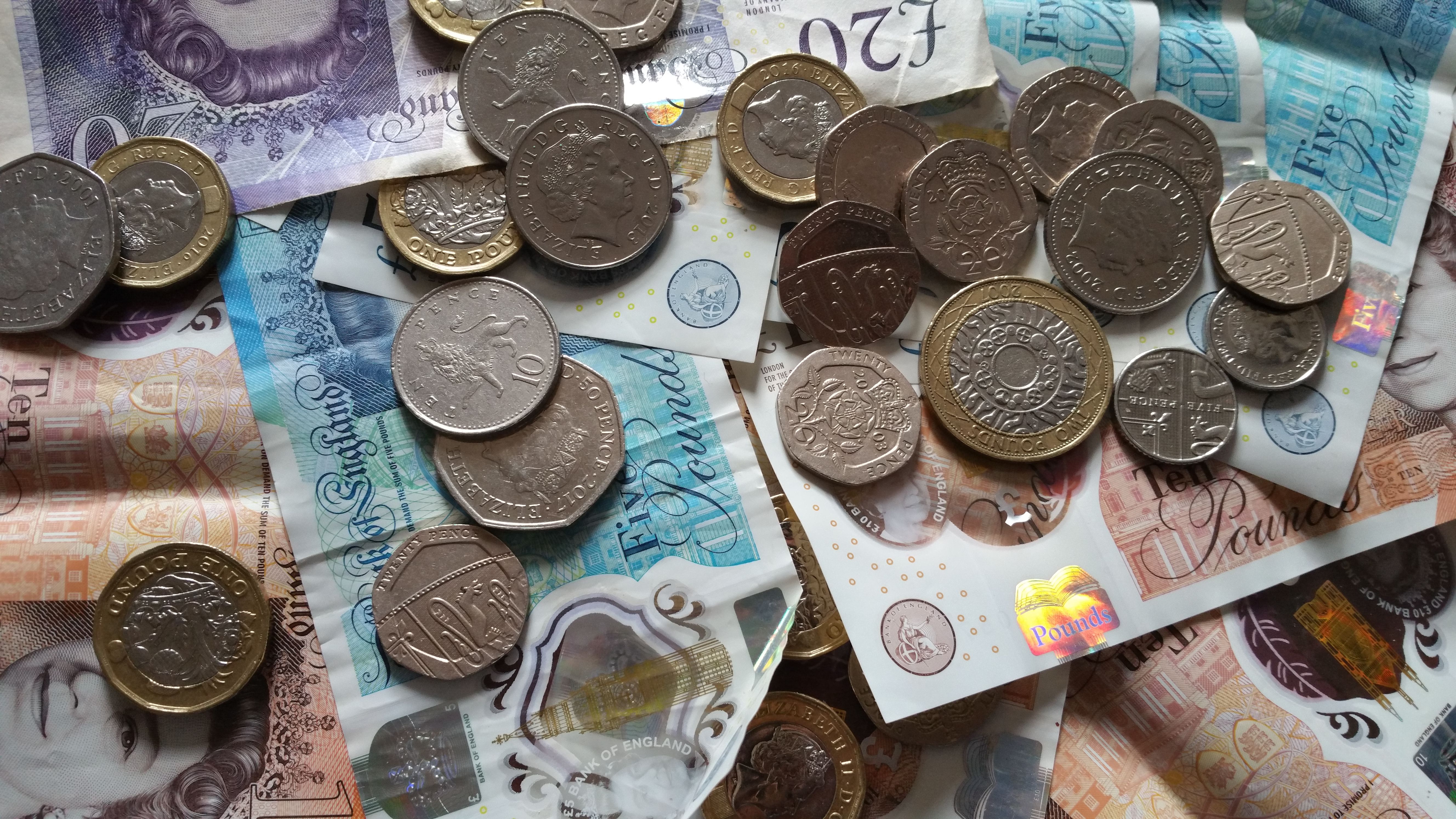
Inflation has risen to 3.1%, meaning everyday spending is getting more expensive just as household budgets are already under pressure.
Wednesday 4 November 2026
Interest rates are staying at 3.75%, so households with mortgages and other borrowing may have to wait longer for costs to come down.

Wednesday 4 November 2026
A higher energy price cap means many households will be paying more to heat and power their homes during the colder months.
Guides and insights
Clear, accessible analysis of the economic issues shaping everyday life

Living standards
Comparing the cost of everyday life across generations, from bread and beer to buying a home.

Food & prices
How farming, energy, transport and supermarket competition shape the price on the shelf.
Prices & inflation
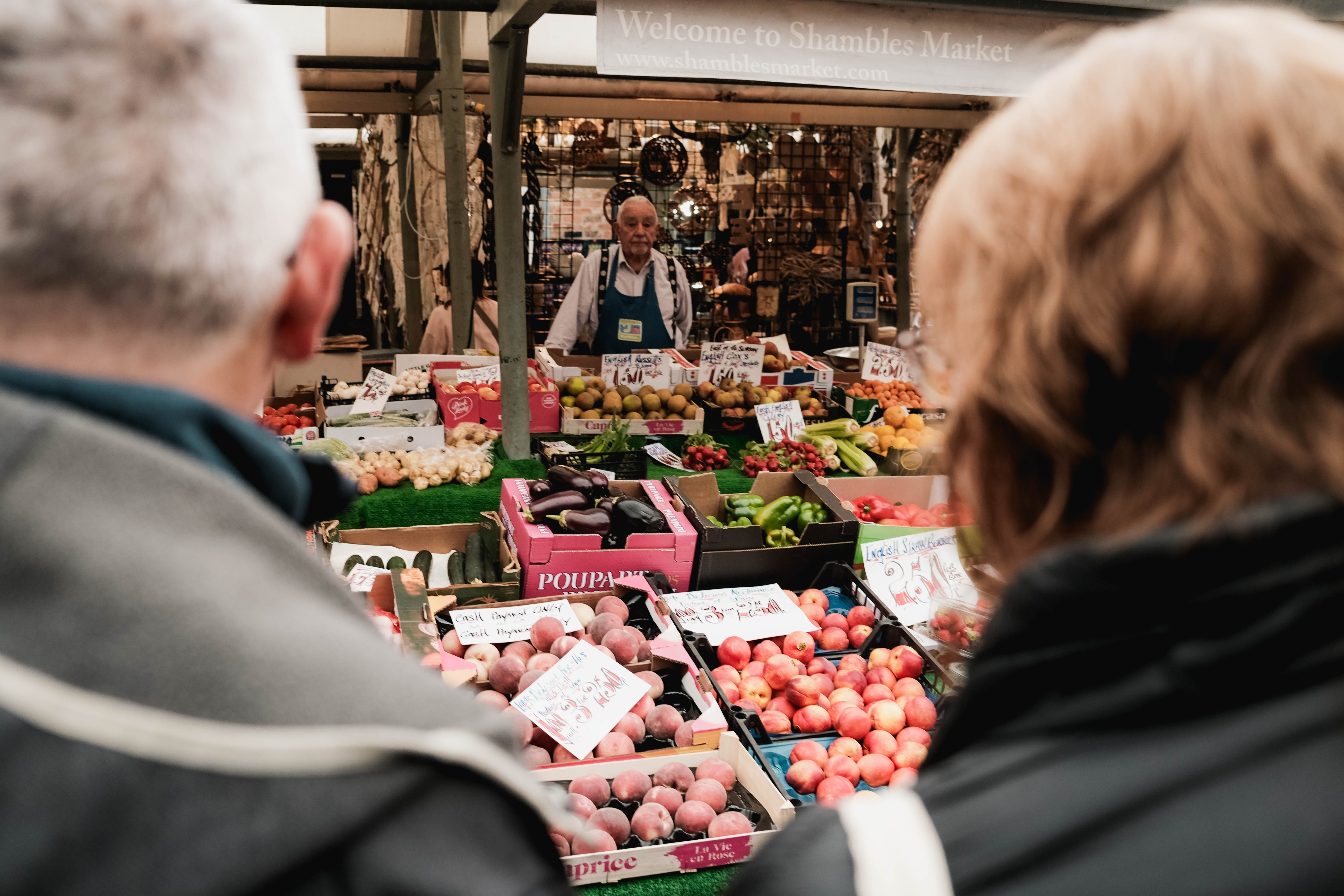
What slower price rises mean for wages, purchasing power and economic recovery.

Shared prosperity
Beyond GDP: how we could measure economic success through security, opportunity and living standards.
We're looking to work with individuals and organisations who can contribute funding, expertise, data, technology, or strategic connections to help build better economic tools and research.