
Fuel and travel costs are pushing prices up again
Thursday 5 November 2026
Inflation has risen to 3.1%, meaning everyday spending is getting more expensive just as household budgets are already under pressure.
How we approach evidence, sourcing, independence, funding, corrections and conflicts of interest.
Economic questions are often argued over. The same figures can be read in different ways, forecasts depend on what is assumed, and reasonable people disagree about what should be done.
So being open is not an optional extra for Equinomics. It is part of how the project should work.
Wherever we practically can, important claims, charts and calculations will link to the sources behind them. We will also make clear which of these you are looking at:
Where the evidence is uncertain, or serious people disagree, we will say so.
Interactive tools can make complicated ideas easier to understand. They can also hide the assumptions built into them.
We intend to publish enough about our methods for you to see how the important calculations were done, what was assumed, and where the limits are.
Mistakes should be put right openly, not quietly ignored.
As Equinomics develops, we intend to keep a simple way for anyone to report a mistake in our facts or our methods, and to correct it where needed.
Equinomics is not affiliated with any political party.
The project does have values: prosperity that is widely shared, a fair chance to get on, policy based on evidence, openness, and the importance of living standards.
Holding those values does not mean pretending that every economic question has one answer decided in advance. We want to look fairly at the evidence, the arguments and the trade-offs, including the serious objections to ideas we discuss.
Funding should support the work, not buy its conclusions.
We intend to say who our significant funders are, for the organisation and for individual projects, and to make clear when a piece of work has been paid for or supported by an outside organisation.
Funders and partners may offer expertise, ideas and constructive challenge. They should not get a hidden say over what we publish in return for their money.
A conflict of interest is when someone involved in a piece of work has something to gain or lose from what it says. Where that could reasonably affect how our work is seen, it should be declared.
Equinomics may use AI in its research, in building the site, or in tools the public can use. Where that could make a real difference to what we publish or to how a tool works, we intend to say so, and to keep people responsible for checking it.
These standards will develop as the project does. But the principle is already settled:
Show the evidence, explain the assumptions, and be clear about who is supporting the work.
Keep in the loop
Highlights from about the UK economy, the UK government and the UK public sector.
Thursday 5 November 2026
Inflation has risen to 3.1%, meaning everyday spending is getting more expensive just as household budgets are already under pressure.
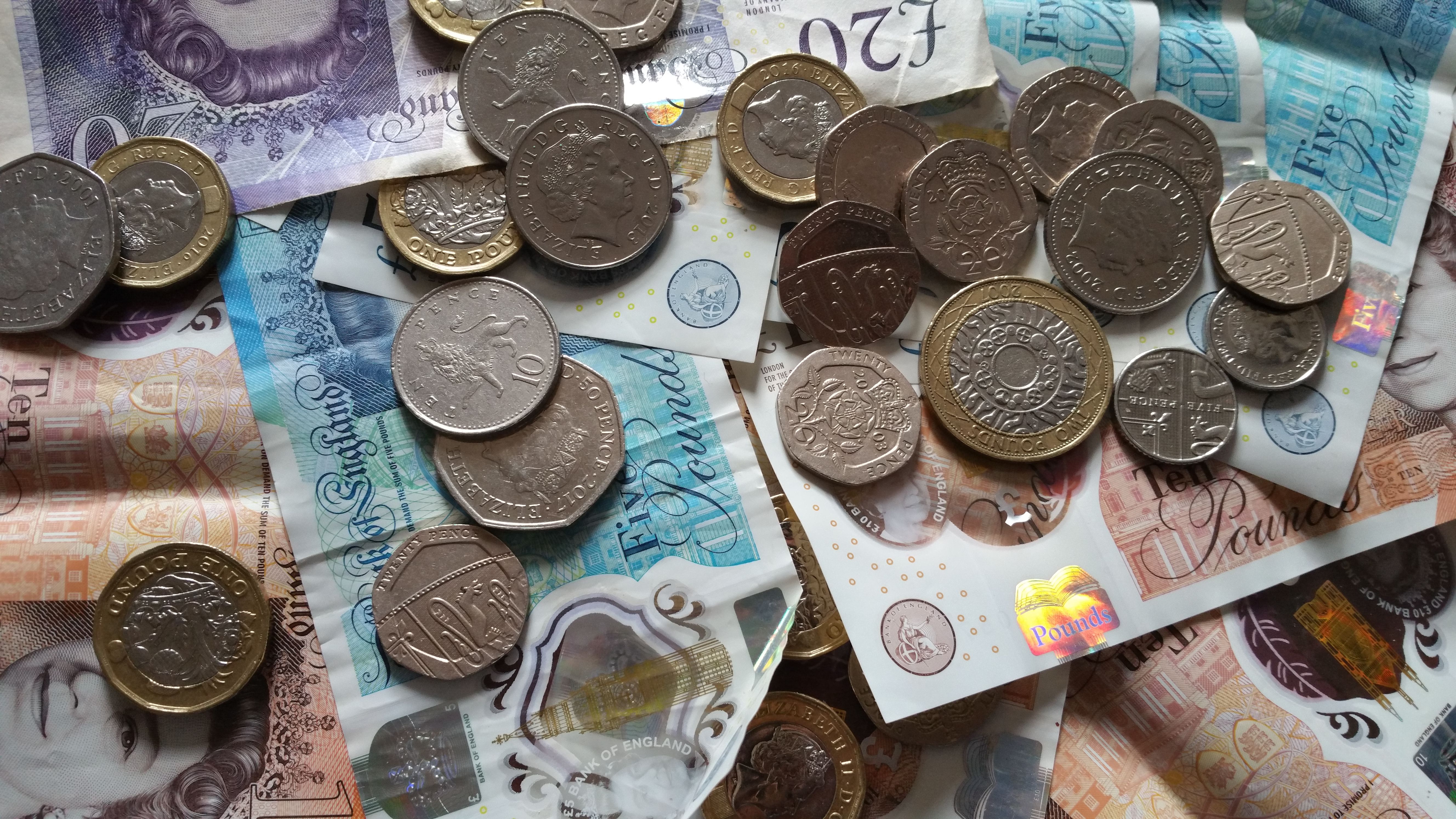
Wednesday 4 November 2026
Interest rates are staying at 3.75%, so households with mortgages and other borrowing may have to wait longer for costs to come down.

Wednesday 4 November 2026
A higher energy price cap means many households will be paying more to heat and power their homes during the colder months.
Guides and insights
Clear, accessible analysis of the economic issues shaping everyday life

Living standards
Comparing the cost of everyday life across generations, from bread and beer to buying a home.

Food & prices
How farming, energy, transport and supermarket competition shape the price on the shelf.

Prices & inflation
What slower price rises mean for wages, purchasing power and economic recovery.

Shared prosperity
Beyond GDP: how we could measure economic success through security, opportunity and living standards.
We're looking to work with individuals and organisations who can contribute funding, expertise, data, technology, or strategic connections to help build better economic tools and research.