
Fuel and travel costs are pushing prices up again
Thursday 5 November 2026
Inflation has risen to 3.1%, meaning everyday spending is getting more expensive just as household budgets are already under pressure.
Examine how different forms of income and wealth are taxed, and what alternative approaches could look like.
There are three main ways money arrives in someone's pocket.
Being paid a salary or wages for your work.
Receiving dividends from shares, interest on savings, or rent from property.
Selling shares or property for more than you paid for them.
Not all of these forms of income are taxed the same. For example, National Insurance is only applied to earnings. [1]
But, should how you get your money affect how much tax you pay?
These three people all receive £50,000 in 2026.
There are arguments for and against this approach.
Wealth, or net worth, is everything you own, including your home, savings, shares, land and art, minus any debts.
Income is what you earn - wages, salary or sales.
This leads to an important distinction. Taxing income from wealth (such as rent or dividends) is not the same as taxing wealth itself (the value of what someone owns).
Priya owns shares worth £100,000. This year they pay her £3,000 in dividends, and their value rises to £110,000.
Priya is £13,000 richer, but only part of that counts as taxable income.
Getting richer and receiving taxable income are two different things. For the very wealthiest, most of their growth in wealth often comes from rising asset values rather than income.
A quick tour of the main UK taxes on income and wealth:
There is no tax on wealth itself in the UK.
"Fair" means different things to different people. These four principles give a way to judge any system or proposal:
These principles often pull against each other. A tax that scores well on consistency might be hard to collect. One that protects modest savers might create loopholes for the wealthy.
Four broad approaches come up most often in the debate.
Whichever is chosen, success depends on strong enforcement, international information sharing and fewer loopholes. Past reforms have often failed for want of these.
Bring the tax on dividends, rent and capital gains closer to the tax on wages. [5]
The source of someone's money would matter less, making the system more consistent.
How should inflation, losses and the risks of investing be treated, and would people invest less?
An annual wealth tax above a high threshold.
It reaches wealth that grows without producing much taxable income.
What counts, how is it valued, and what happens when someone can't pay in cash? [9] Our Extreme Wealth Line explainer looks at this in more detail.
Replace or update council tax and stamp duty, perhaps with a tax based on current property or land values. [5]
Bills would reflect what property is actually worth today, and land can't be moved abroad.
How do you protect people with low incomes living in homes that have risen sharply in value?
Change who pays and how, for example by taxing what each person receives over their lifetime rather than the size of the estate left behind. [5]
It could encourage wealth to be spread more widely and close gaps used by the wealthiest estates.
What allowances, exemptions and payment arrangements would be fair, particularly for family homes, farms and businesses?
Lack of enforcement and enforcement mechanisms are frequently cited as the reason for failed tax reforms. Whatever approach is taken, effective enforcement is the key to its success.
When tax authorities are short of staff, the complex finances of the wealthiest go unchecked, and those with expensive advisers can simply outlast investigations.
For decades, secretive banks in places like Switzerland didn't tell other countries who held accounts with them, making offshore money easy to hide. [10]
Rules like "non-dom" status, scrapped in 2025, let some wealthy UK residents avoid tax on their foreign income for years. [11]
The answers depend on the details of each proposal, but these are typical considerations when drawing up plans for tax reform.
It depends on the design. A wealth tax with a high threshold would leave almost all homeowners untouched. Reforming property tax, on the other hand, would affect most households, lowering bills for some and raising them for others.
Many proposals exempt them or treat them more gently. The trade-off is that every exemption becomes a possible route for avoidance.
Common solutions include letting people delay payment until an asset is sold or passed on, paying in instalments, or paying in shares.
Private businesses, art and land are harder to value than cash or listed shares. Options include standard formulas, independent assessors and less frequent valuations.
Some will try. Exit taxes, international information sharing, public ownership registers and anti-avoidance rules can reduce this, but no system is watertight.
Economists disagree. Some argue that lower taxes on investment encourage businesses to grow. Others argue that much large wealth isn't productively invested, and that the effect depends heavily on design.
Estimates vary widely, depending on how people are expected to change their behaviour and what collection costs. Any figure should come with its method and assumptions published.
Tax design isn't only about who pays. It's also about what the money makes possible. Extra revenue could go towards:
Some reforms could also be "revenue neutral", rebalancing who pays without raising more overall.
The UK taxes money differently depending on where it comes from, and usually taxes work more heavily than wealth.
Whether that's fair depends on what you value: rewarding effort, encouraging investment, protecting savers, or keeping the system simple.
Every reform involves trade-offs. The useful question isn't whether wealth should be taxed, but how, how much, and with what protections.
These sources support the facts and examples on this page. They explain the evidence and the policy options, but they don't all endorse the ideas discussed here.
Keep in the loop
Highlights from about the UK economy, the UK government and the UK public sector.
Thursday 5 November 2026
Inflation has risen to 3.1%, meaning everyday spending is getting more expensive just as household budgets are already under pressure.
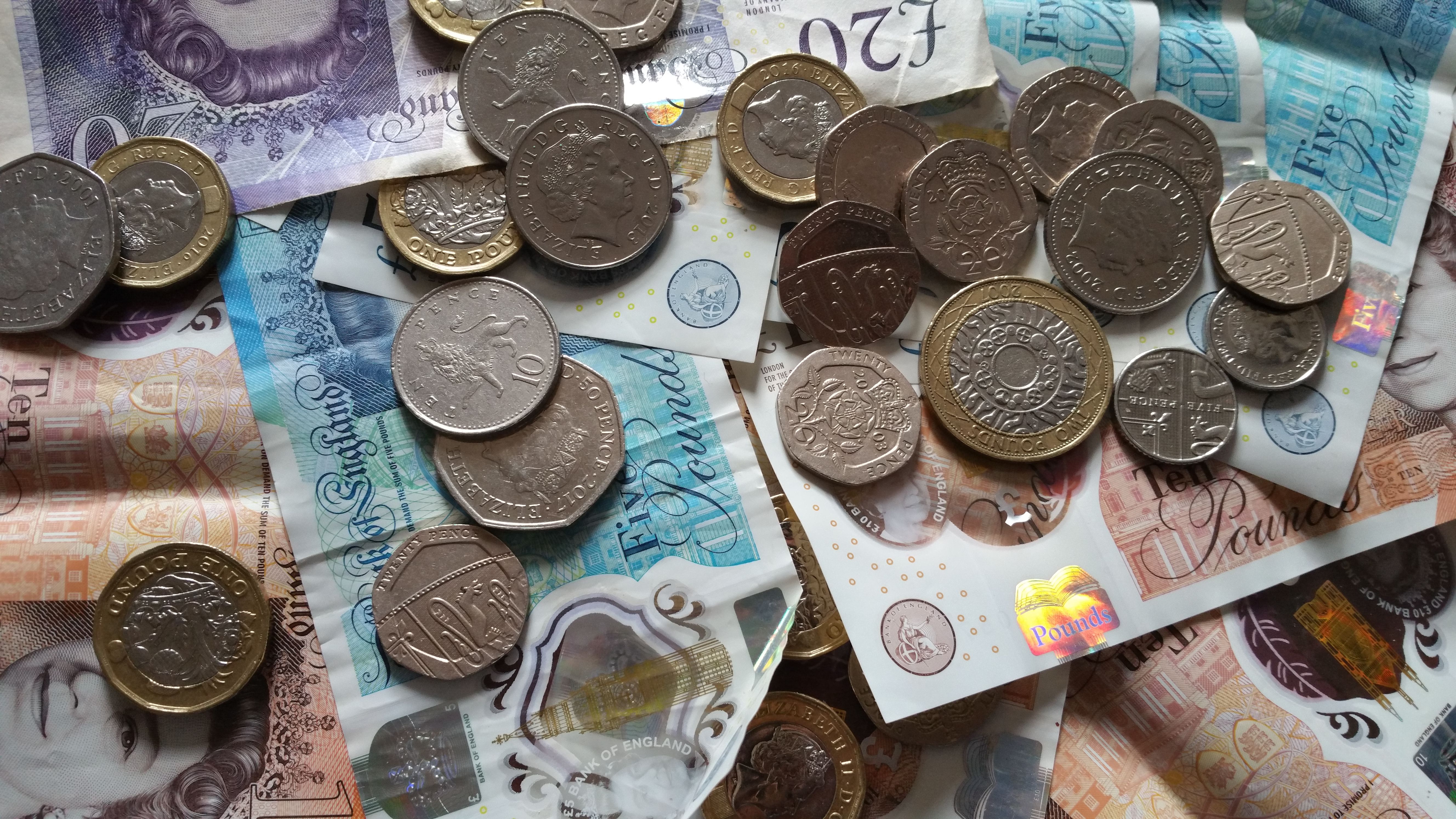
Wednesday 4 November 2026
Interest rates are staying at 3.75%, so households with mortgages and other borrowing may have to wait longer for costs to come down.

Wednesday 4 November 2026
A higher energy price cap means many households will be paying more to heat and power their homes during the colder months.
Guides and insights
Clear, accessible analysis of the economic issues shaping everyday life

Living standards
Comparing the cost of everyday life across generations, from bread and beer to buying a home.

Food & prices
How farming, energy, transport and supermarket competition shape the price on the shelf.

Prices & inflation
What slower price rises mean for wages, purchasing power and economic recovery.

Shared prosperity
Beyond GDP: how we could measure economic success through security, opportunity and living standards.
We're looking to work with individuals and organisations who can contribute funding, expertise, data, technology, or strategic connections to help build better economic tools and research.