
Wealth inequality in the UK
A quick, visual way to see who owns what in the UK. It is a good place to start if you want the wealth gap to feel less abstract and more like something you can actually picture.
Our hand picked selection of videos that explain economic ideas, evidence and debates clearly, and succinctly.
A quick, visual way to see who owns what in the UK. It is a good place to start if you want the wealth gap to feel less abstract and more like something you can actually picture.

Gary Stevenson explains the difference between earning money and owning wealth in plain language. This is a useful starting point for understanding why housing, inheritance and assets matter so much.
Richard Wilkinson looks at what happens to whole societies when the gap between rich and poor gets too wide. The examples are broad, but the question is simple: does inequality make life worse for everyone?

A helpful check on Gary Stevenson's argument from an economist who looks at the evidence behind the claims. Good if you like Gary's framing but want to hear where the debate is more complicated.

A longer interview where Gary Stevenson sets out why he thinks people feel poorer even when the economy is supposedly growing. Good for connecting wealth, housing, debt and tax in one big picture.

A lively debate with strong views on both sides. The title is dramatic, but the useful part is hearing different arguments about wealth, business, tax and what would actually help the economy.

A short explanation of why buying a home has become so difficult for many people. It is simple enough to start with, but opens up bigger questions about wages, prices and homes as investments.

A brief comparison of homelessness in the UK and Finland. It shows that homelessness is not just something that happens, but something policy can make worse or help to prevent.

A clear walk-through of how Britain's housing problems built up over time. Useful if you want to understand why there is no single easy answer, but also why the crisis did not come from nowhere.

Looks at what renting feels like for many people now: rising rents, poor conditions and too little security. A good one for understanding the housing crisis from the renter's side.

Vienna shows that city housing does not have to be this expensive or insecure. This is a hopeful example of what can happen when affordable housing is treated as normal infrastructure, not a last resort.

A more opinionated take on why homes have become so expensive. It argues that housing is treated too much like an investment asset, which is a useful challenge to the usual 'just build more' answer.

Follows renters facing eviction and the stress that comes with it. It puts a human face on phrases like 'no-fault eviction' and shows how quickly housing insecurity can turn life upside down.

A short debate about whether younger generations have been left with a harder deal than older ones. It does not settle the argument, but it does show why housing, pensions and opportunity feel so personal.

Looks at why many younger people are building less wealth than their parents did. It is not just a UK story, and it helps explain why the economy can feel stuck for a whole generation.

Dr Eliza Filby explains how family money now shapes who can buy a home, take risks or get ahead. It is a clear look at how inequality is passed on, even when no one means harm.

Workers describe insecure shifts, missing pay and life inside agency work. It is a short but useful reminder that flexibility can look very different depending on who has the power.

A quick look at the UK four-day week trial and what happened when people worked fewer hours for the same pay. Useful because it asks a practical question: could better work mean better lives too?

Asks why workers in the UK are often paid less than people doing similar work in nearby countries. It is a good route into wages, productivity and why national choices show up in pay packets.

Follows families who are working but still struggling to get by. It is a powerful challenge to the idea that having a job is always enough to keep people out of poverty.

A longer look at why Britain can feel poorer than it should. It pulls together wages, investment, public services and living standards into one story about how everyday life became harder.
A short animated explainer asking whether tax cuts really boost the economy in the way politicians often promise. It uses US examples, but the basic question is relevant anywhere.

A campaign-style sketch about what a wealth tax could actually look like. It is deliberately punchy, but useful for seeing how supporters try to answer fears about taxing wealth.

Explains some of the strange traps and cliff edges in the UK tax system. A good watch if you have ever wondered why tax can feel confusing, unfair or oddly designed.

Looks at the common claim that rich people will leave if taxes rise. It is useful for thinking through the fear, the evidence and what good tax design would need to consider.

Explains what a wealth tax might mean in practice, not just as a slogan. It gets into the real-world questions: what counts, who pays, how it is valued and how avoidance is handled.

A fast, playful introduction to land value tax. It is a bit quirky, but the idea is simple and important: should society tax the value of land more than work or enterprise?

Tax lawyer Dan Neidle argues that a yearly wealth tax is the wrong tool, and suggests other tax reforms instead. A useful watch if you want a practical, sceptical view rather than a slogan.

A long discussion where Gabriel Zucman makes the case for taxing extreme wealth and Rory Stewart pushes back. Good for hearing the strongest arguments and the tricky practical questions together.

A simple visual explanation of the national debt using pennies. It makes a huge number easier to grasp, while leaving room for the bigger question of what public debt actually means.

A clear explainer of how the NHS in England is organised. Useful background if you want to understand health spending, reform and why changing public services is rarely simple.

Shows where UK public money goes, from health and pensions to debt interest and defence. It pairs well with our tax tools because it turns a huge total into real choices and trade-offs.

A brisk explanation of austerity and what followed after 2010. It is a good starting point for understanding why cuts to public spending are still part of today's debate.

Looks at why English councils keep running out of money. It makes local government finance feel less remote by showing how budget problems turn into real changes in local services.

Mark Blyth explains why austerity became so influential and why he thinks it often backfires. It is a longer, deeper watch for anyone who wants the story behind the policy.
A short introduction to how Nordic countries combine strong public services, high taxes and successful economies. Useful because it challenges the idea that fairness and prosperity must always pull in opposite directions.

Looks at who gives large donations to British politicians and why that matters. It is a useful way into the question of how money can shape access, attention and political priorities.

Shows how the 2024 election result might have looked under proportional representation. A clear visual way to understand why voting systems matter, even if the arguments can sound technical.
A Financial Times film about how questionable global wealth found its way into London. It helps explain why property, finance and politics can become tangled with money from far beyond the UK.

A documentary about offshore finance, tax havens and Britain's role in that world. It is a bigger, more historical piece for understanding how hidden money became part of the global economy.

Explains how private equity has bought into more of everyday Britain, from services to infrastructure. Useful if you want to understand why ownership models can change what businesses are asked to do.

Looks at debt, dividends, bills and investment in England's privatised water companies. A useful explainer for anyone wondering how an essential service ended up in such a mess.

Compares what Norway and the UK did with North Sea oil money. It is a clear example of how the same resource can lead to very different outcomes depending on public choices.

A balanced look at Thatcher's economic legacy, from inflation and unions to privatisation, unemployment and inequality. Helpful because it treats the 1980s as a set of choices with consequences, not just a slogan.

Explains how UK rail privatisation was set up and why it struggled. It is useful for understanding the difference between 'private versus public' as an argument and the details of how a system is designed.

A critical look at Britain's privatised energy system and why households became so exposed to high bills. It is a useful prompt for asking who should carry risk when essentials become expensive.

A very short explanation of inflation and how price rises are measured. Good as a simple starting point before getting into wages, interest rates, food prices and energy bills.

A clear explainer for younger viewers, with Martin Lewis helping explain why everyday essentials became harder to afford. Useful for classrooms, families or anyone who wants the basics without jargon.
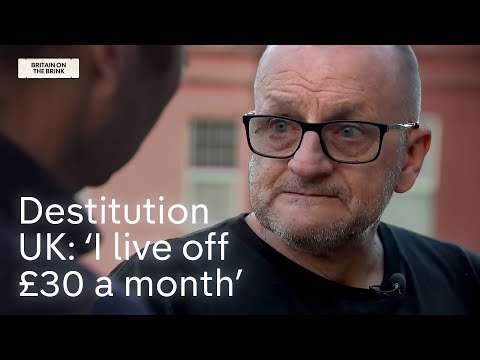
A difficult but important report about people trying to survive with almost nothing. It shows the sharpest edge of the cost-of-living crisis: not just cutting back, but going without basics.

A report from Cannock Chase showing that full-time work does not always mean financial security. It is useful because it shows cost-of-living pressure in a place many people might once have thought of as comfortable.

Follows families and children living without enough money for essentials. It is a hard watch, but it helps show poverty as everyday stress, missed chances and constant calculation.

The Economist looks at whether migrants are a cost or a benefit to public finances. A useful short watch because it slows the argument down and asks what the numbers actually say.

Ed Conway breaks down who is coming to the UK, through which routes and why. Helpful if you want to get beyond headline numbers and understand what is actually being counted.

A viewpoint piece arguing that immigration is often blamed for problems with deeper economic causes. Useful for opening a discussion about wages, housing, pressure on services and who gets blamed.

Madeleine Sumption brings calm, evidence-led answers to common claims about immigration. Good for anyone who wants a more careful conversation than the usual shouting match.
Keep in the loop
Highlights from about the UK economy, the UK government and the UK public sector.

Thursday 5 November 2026
Inflation has risen to 3.1%, meaning everyday spending is getting more expensive just as household budgets are already under pressure.
Wednesday 4 November 2026
Interest rates are staying at 3.75%, so households with mortgages and other borrowing may have to wait longer for costs to come down.

Wednesday 4 November 2026
A higher energy price cap means many households will be paying more to heat and power their homes during the colder months.
Guides and insights
Clear, accessible analysis of the economic issues shaping everyday life

Living standards
Comparing the cost of everyday life across generations, from bread and beer to buying a home.

Food & prices
How farming, energy, transport and supermarket competition shape the price on the shelf.

Prices & inflation
What slower price rises mean for wages, purchasing power and economic recovery.

Shared prosperity
Beyond GDP: how we could measure economic success through security, opportunity and living standards.
We're looking to work with individuals and organisations who can contribute funding, expertise, data, technology, or strategic connections to help build better economic tools and research.