
Fuel and travel costs are pushing prices up again
Thursday 5 November 2026
Inflation has risen to 3.1%, meaning everyday spending is getting more expensive just as household budgets are already under pressure.
Everything the UK's governments and councils spent in 2024-25, from the NHS to street lights, cut into the pennies of a single pound.
The same money, laid out two ways and grouped two ways. Nothing is added or removed when you switch.
Health, welfare and state pensions account for more than half of the spending shown here.
These include the NHS, financial support for people who need it, and pensions for older people.
Education accounts for around 10p in every pound, while defence and transport receive considerably smaller shares.
Looking at the figures together helps put political debates about public spending into perspective.
Around 11p in every pound goes towards interest on debt.
That's not repaying the loan - it's just interest. And it's more than we spend on culture, the environment, overseas aid and public order and safety, all combined!
It's worth noting, however, that borrowing can fund investments that provide benefits over many years.
Increasing spending in one area may require additional revenue, borrowing or changes elsewhere.
But it isn't necessarily a fixed choice between services: economic growth, prevention and more effective spending can also affect what governments can afford.
Public spending isn't just a collection of numbers. It determines the services we can rely on, the support available when we need it, and the investments made for the future.
Understanding where the money goes makes it easier to have informed conversations about what our priorities should be.
Keep in the loop
Highlights from about the UK economy, the UK government and the UK public sector.
Thursday 5 November 2026
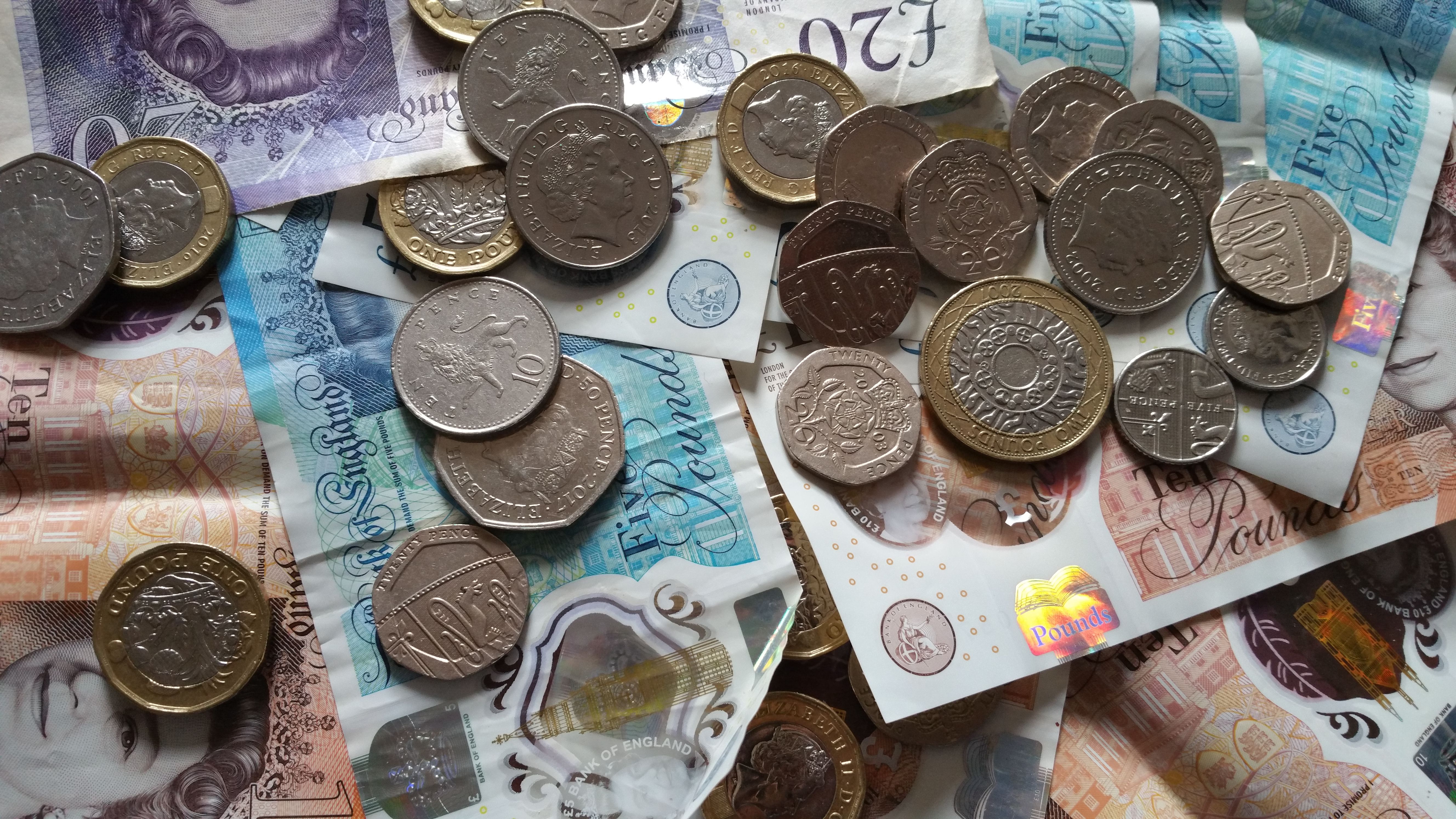
Inflation has risen to 3.1%, meaning everyday spending is getting more expensive just as household budgets are already under pressure.
Wednesday 4 November 2026
Interest rates are staying at 3.75%, so households with mortgages and other borrowing may have to wait longer for costs to come down.

Wednesday 4 November 2026
A higher energy price cap means many households will be paying more to heat and power their homes during the colder months.
Guides and insights
Clear, accessible analysis of the economic issues shaping everyday life

Living standards
Comparing the cost of everyday life across generations, from bread and beer to buying a home.

Food & prices
How farming, energy, transport and supermarket competition shape the price on the shelf.
Prices & inflation
What slower price rises mean for wages, purchasing power and economic recovery.

Shared prosperity
Beyond GDP: how we could measure economic success through security, opportunity and living standards.
We're looking to work with individuals and organisations who can contribute funding, expertise, data, technology, or strategic connections to help build better economic tools and research.