
Fuel and travel costs are pushing prices up again
Thursday 5 November 2026
Inflation has risen to 3.1%, meaning everyday spending is getting more expensive just as household budgets are already under pressure.
A home-buying deposit compared with the buyer's or buyers' yearly income.
Divide the cash deposit needed or paid for a home by the buyer's or buyers' annual income. The result can be shown as a number of years of income or as a percentage. It indicates the size of the upfront saving hurdle, not how long saving will actually take: nobody can usually save all their income. This is different from the deposit as a percentage of the house price, which helps determine the loan to value ratio.
A £40,000 deposit is equal to one year's income for a buyer earning £40,000 a year: the deposit to income ratio is 1, or 100%. If they save £4,000 a year and start from zero, it would take ten years to save that amount, ignoring interest and price changes.
A buyer may have enough income to make monthly mortgage payments but still struggle to save the cash needed before they can buy.
A house price divided by a year's earnings, showing how many times annual pay the price represents.
Whether people can manage the cost of buying or renting a home.
Money or other wealth passed from an older generation to a younger one.
A mortgage loan shown as a percentage of the home's value.
Whether a household can manage the payments on a home loan alongside its other costs.
The mortgage amount divided by the borrower's or borrowers' annual income.
Keep in the loop
Highlights from about the UK economy, the UK government and the UK public sector.
Thursday 5 November 2026
Inflation has risen to 3.1%, meaning everyday spending is getting more expensive just as household budgets are already under pressure.
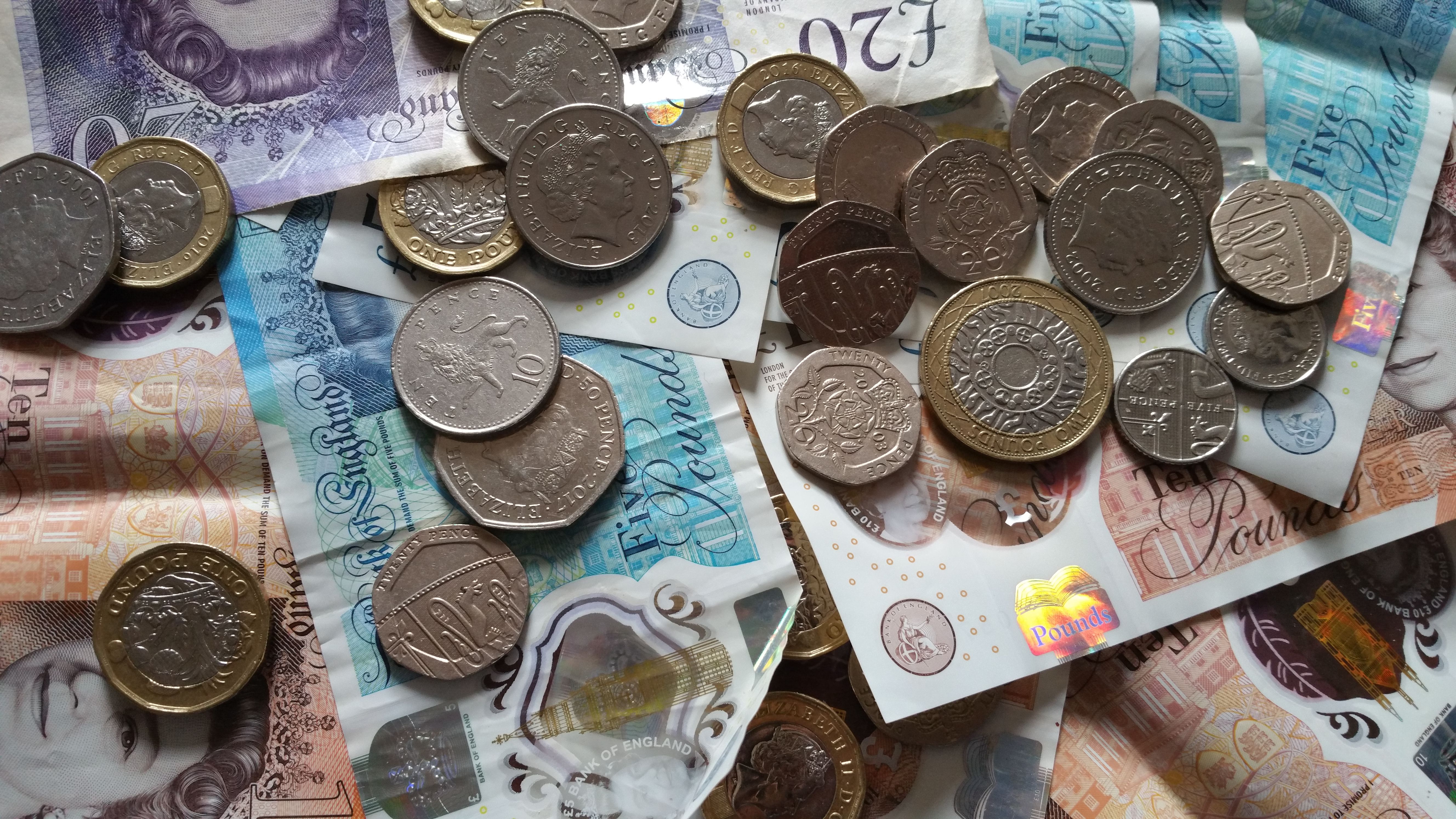
Wednesday 4 November 2026
Interest rates are staying at 3.75%, so households with mortgages and other borrowing may have to wait longer for costs to come down.

Wednesday 4 November 2026
A higher energy price cap means many households will be paying more to heat and power their homes during the colder months.
Guides and insights
Clear, accessible analysis of the economic issues shaping everyday life

Living standards
Comparing the cost of everyday life across generations, from bread and beer to buying a home.
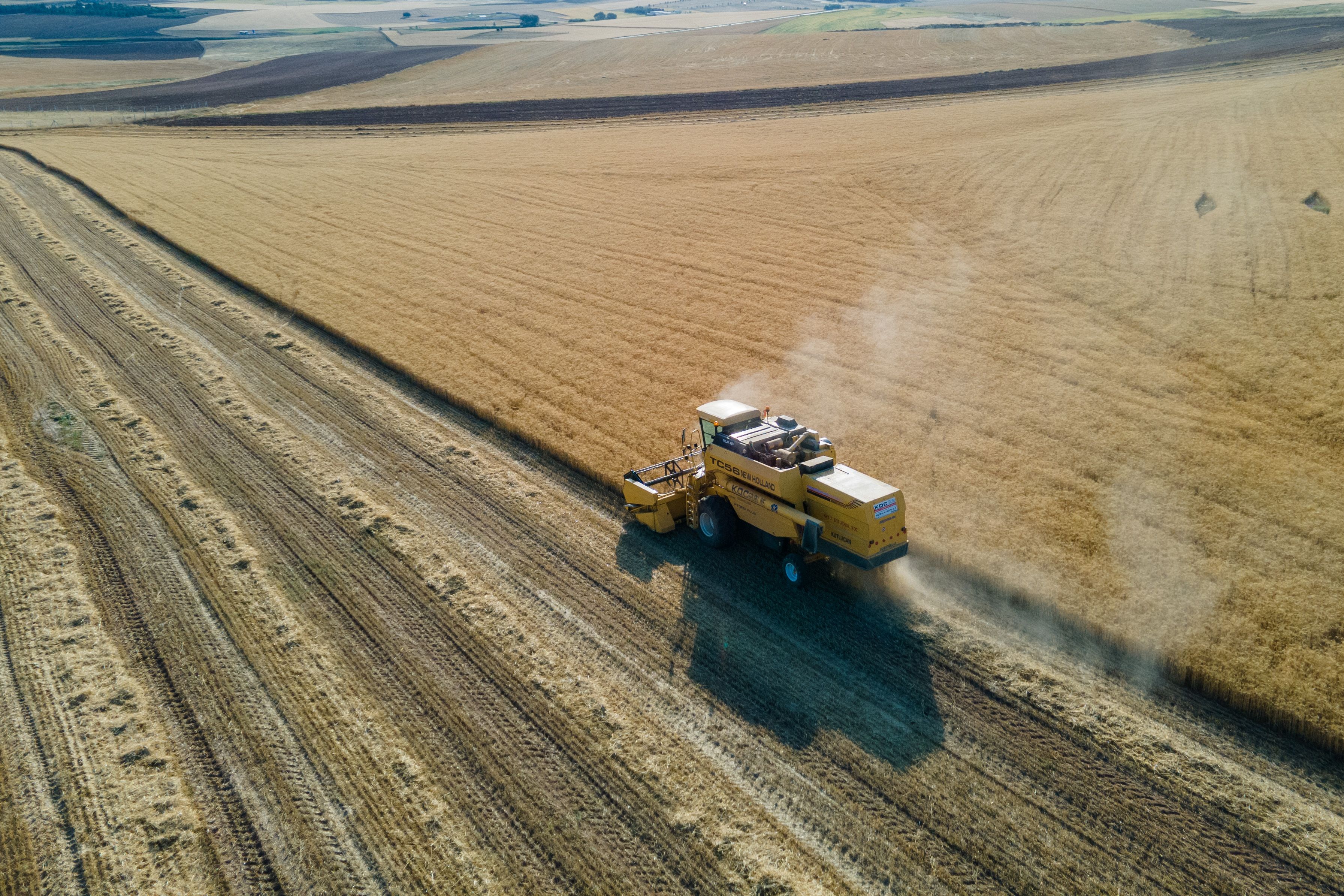
Food & prices
How farming, energy, transport and supermarket competition shape the price on the shelf.
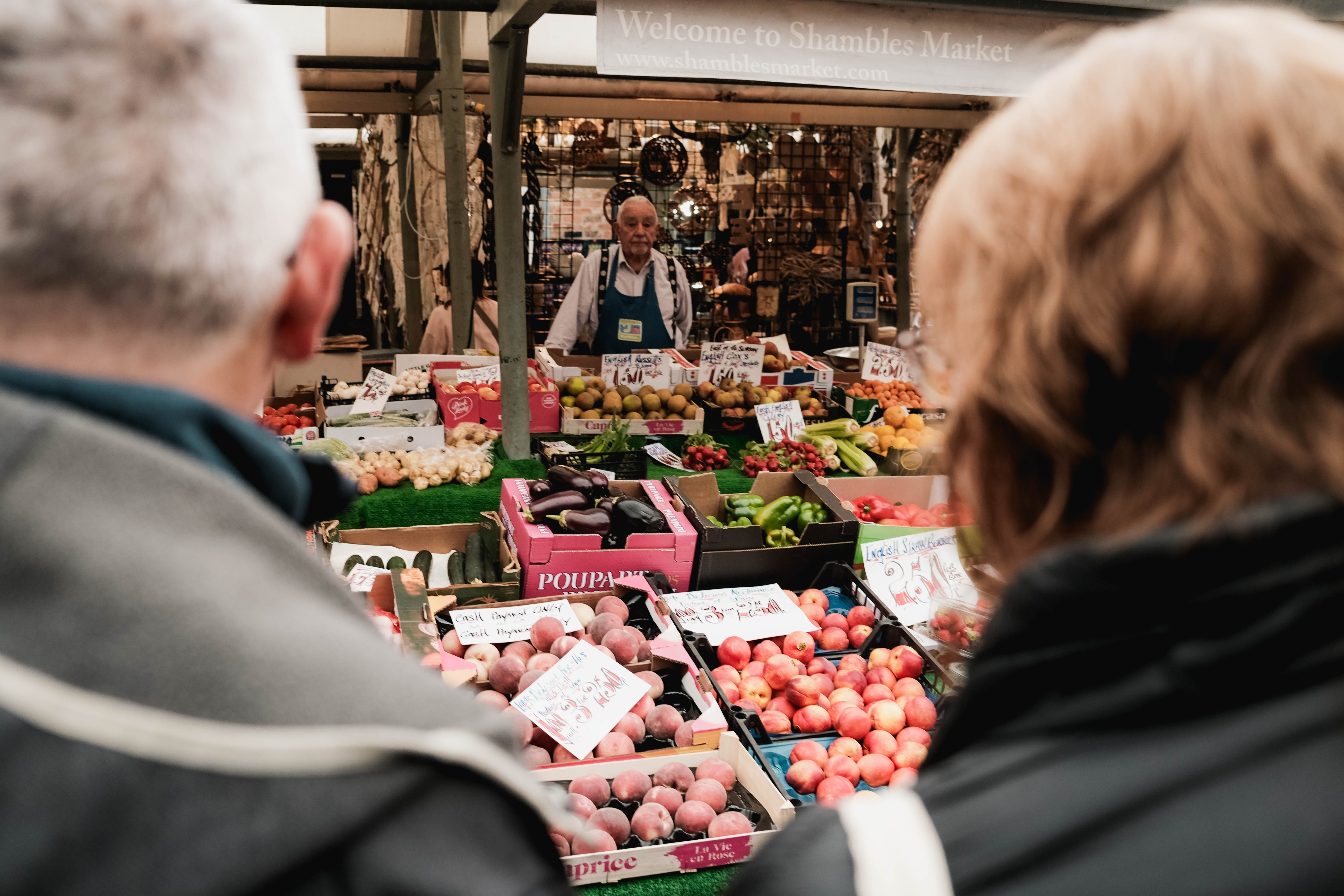
Prices & inflation
What slower price rises mean for wages, purchasing power and economic recovery.

Shared prosperity
Beyond GDP: how we could measure economic success through security, opportunity and living standards.
We're looking to work with individuals and organisations who can contribute funding, expertise, data, technology, or strategic connections to help build better economic tools and research.