
Fuel and travel costs are pushing prices up again
Thursday 5 November 2026
Inflation has risen to 3.1%, meaning everyday spending is getting more expensive just as household budgets are already under pressure.
Plain-English definitions of the economic terms, with simple explanations, examples, and synonyms
Having a household income below a line set using a reference year and then adjusted as prices change.
The total demand for goods and services made in an economy.
The goods and services businesses across an economy can and are willing to provide.
Parts of the tax and benefit system that respond to a weaker or stronger economy without a new policy decision.
A number used to describe what is typical in a group. There is more than one way to work it out.
The main interest rate set by the Bank of England, which influences rates on borrowing and saving.
Obstacles that make it hard for a new business to start competing in a market.
The effect an unusually high or low starting figure can have on a percentage change reported later.
The gap when the government and wider public sector spend more than they receive over a period.
A tax that may be due on the gain when someone sells or otherwise gives up an asset that has risen in value.
The number of people claiming specified benefits linked to looking for work.
Workers' representatives and an employer negotiating pay or working conditions for a group.
A UK measure of how prices change for a wide range of things people buy.
A UK measure of price changes like CPI, with an added measure of the cost of living in a home you own and Council Tax.
A measure of inflation that leaves out certain prices, usually food, energy, alcohol and tobacco in UK figures.
Interest the public sector pays on money it has borrowed.
Public debt compared with the value of goods and services produced in a country over a year.
A fall in the overall level of prices, rather than a fall in just one price.
A home-buying deposit compared with the buyer's or buyers' yearly income.
A slowdown in how quickly prices are rising.
Money a household receives after direct taxes have been taken off and cash benefits have been added.
An increase in the goods and services an economy produces over time, after allowing for changing prices.
The share of people in a stated age group who are neither working nor classed as unemployed.
An earning above the amount needed to keep a person or resource in its current use.
The total tax someone pays, shown as a percentage of the income or other amount being measured.
The share of people in a stated age group who are in work.
Household income adjusted so that households of different sizes can be compared more fairly.
When rising incomes lead to more tax because tax-free amounts or tax thresholds have not kept up.
Government decisions about taxes, spending and borrowing.
Targets or limits a government sets for borrowing, debt or other measures of the public finances.
A country's GDP divided by the number of people living there.
A single number showing how unevenly income or wealth is spread across a group.
The return a buyer expects from a government bond at its current price, usually shown as a yearly percentage.
The total value of goods made and services provided within a country over a period of time.
The value a business or industry adds by making goods or providing services, after subtracting what it bought from other businesses to do so.
A house price divided by a year's earnings, showing how many times annual pay the price represents.
Whether people can manage the cost of buying or renting a home.
Homes recorded as finished and ready for use during a given period.
The share of a household's income spent on paying for its home.
Household income after taking off specified housing costs, including rent or mortgage interest.
Household income measured before rent and certain other housing costs are taken off.
One of ten equally sized groups formed by putting people or households in order of income.
The gap between people or households in the money they receive.
A general rise in prices over time.
A UK tax that may be due on the estate of someone who has died.
Money or other wealth passed from an older generation to a younger one.
The share of people in a stated age group who are either working or classed as unemployed.
The amount of goods and services produced for each hour worked, or for each worker.
The share of income generated in an economy that goes to people for their work.
A mortgage loan shown as a percentage of the home's value.
The tax rate that applies to the next pound of income you earn.
How much of a market's sales or activity is accounted for by its largest businesses.
A business's ability to influence prices or conditions because customers or suppliers have limited alternatives.
Going without things or activities considered part of a decent standard of living because you cannot afford them.
An average found by adding all the numbers together and dividing by how many there are.
Total earnings for a group divided by the number of people or jobs counted.
Checking a person's income and sometimes savings to decide whether they qualify for help or how much they receive.
The middle value when a set of numbers is put in order.
The middle amount of pay when people's earnings are put in order.
The middle household income when households are put in order from lowest income to highest.
The value that appears most often in a set of numbers.
Decisions by a central bank about interest rates and other tools to influence spending and the pace at which prices rise.
A market with only one seller of a particular good or service and no close alternative for buyers.
A market with one buyer and many possible sellers, including workers seeking an employer.
Whether a household can manage the payments on a home loan alongside its other costs.
The mortgage amount divided by the borrower's or borrowers' annual income.
The value of what someone owns, minus what they owe.
Pay measured in pounds, without adjusting for changes in prices.
A market in which a small number of businesses make most of the sales.
The estimated difference between what an economy is producing and what it could sustain using its workers and equipment normally.
The amount of income most people can receive in a tax year before paying Income Tax on it.
How strongly the amount people buy responds when its price changes.
The gap when public spending, excluding debt interest, is greater than public income.
A tax under which people with more income pay a larger share of it in tax.
A UK measure of the public sector's outstanding debts after subtracting certain assets it can quickly turn into cash.
Public spending divided by the number of people it covers.
How much you can buy with a given amount of money.
A central bank creating electronic money to buy bonds, aiming to lower longer-term borrowing costs and support spending.
A measure of a country's production that removes the effect of changing prices.
An interest rate adjusted for the change in prices, showing what borrowing or saving costs in purchasing power.
A way of comparing money in different years after allowing for changes in prices.
Pay measured by what it can buy after allowing for changes in prices.
A period when economic activity falls; in the UK, two consecutive quarters of falling real GDP are commonly called a technical recession.
A tax that takes a larger share of income from someone on a lower income than from someone on a higher one.
Having a household income below a set share of what the middle household receives in the same year.
Trying to gain or protect an extra reward by securing an advantage, rather than by providing more or better goods or services.
An older UK measure of consumer price changes that is still used for some payments and contracts.
How people's income, work or other life outcomes compare with the circumstances they grew up in.
Rent for certain social homes set under special rules, rather than at the going local market rate.
Support provided through a targeted tax break instead of a direct payment from public funds.
The share of all measured wealth owned by the wealthiest one in every hundred people or households.
When someone has work but would like and is available for more paid hours.
The share of people in the labour force who have no job, are looking for one and are available to start.
A UK tax added to the price of many goods and services people buy.
How much pay has risen or fallen compared with an earlier time.
How much of a group's total wealth is held by a small number of its people or households.
The gap between people in what they own, after subtracting what they owe.
A point on a wealth ranking divided into hundredths, showing how someone's wealth compares with others'.
A proposed or existing tax on the value of wealth someone owns, often after subtracting debts.
Profits that rise unexpectedly because of an outside event rather than a planned improvement by the business.
No terms match your search.
Keep in the loop
Highlights from about the UK economy, the UK government and the UK public sector.
Thursday 5 November 2026
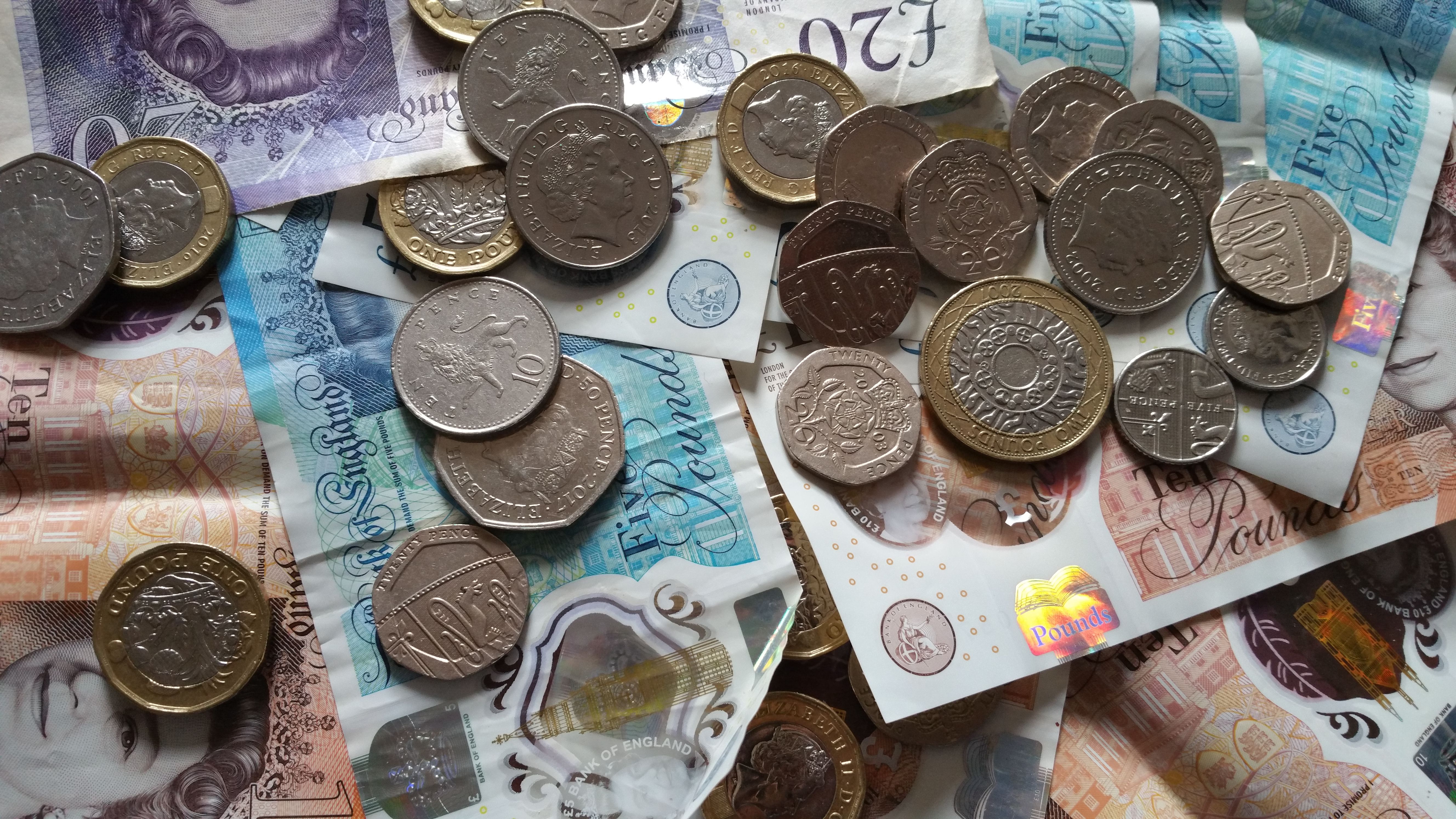
Inflation has risen to 3.1%, meaning everyday spending is getting more expensive just as household budgets are already under pressure.
Wednesday 4 November 2026
Interest rates are staying at 3.75%, so households with mortgages and other borrowing may have to wait longer for costs to come down.

Wednesday 4 November 2026
A higher energy price cap means many households will be paying more to heat and power their homes during the colder months.
Guides and insights
Clear, accessible analysis of the economic issues shaping everyday life

Living standards
Comparing the cost of everyday life across generations, from bread and beer to buying a home.

Food & prices
How farming, energy, transport and supermarket competition shape the price on the shelf.

Prices & inflation
What slower price rises mean for wages, purchasing power and economic recovery.

Shared prosperity
Beyond GDP: how we could measure economic success through security, opportunity and living standards.
We're looking to work with individuals and organisations who can contribute funding, expertise, data, technology, or strategic connections to help build better economic tools and research.