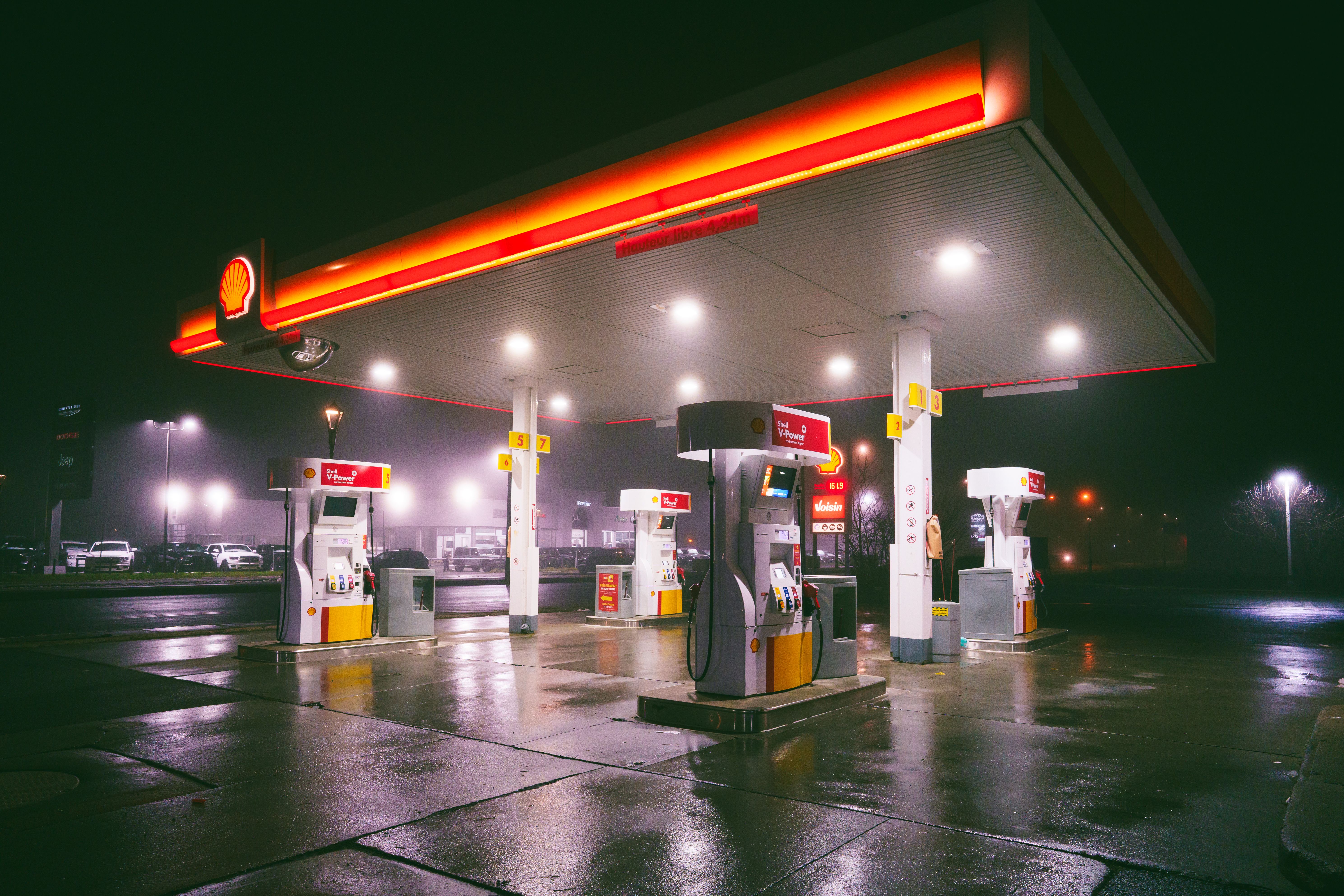
Fuel and travel costs are pushing prices up again
Thursday 5 November 2026
Inflation has risen to 3.1%, meaning everyday spending is getting more expensive just as household budgets are already under pressure.
An increase in the goods and services an economy produces over time, after allowing for changing prices.
Economic growth is usually measured by an increase in real GDP. The price adjustment matters: if everything costs more but the country makes the same amount, that alone is not growth in this sense. Growth shows what happened to the economy as a whole. It does not tell us whether everyone's pay, housing or quality of life improved.
If a country makes more goods and provides more services this year than last year, after taking price changes into account, it has grown economically.
Growth is often used as a sign that the economy is doing well, but people may experience its benefits very differently.
The total demand for goods and services made in an economy.
The goods and services businesses across an economy can and are willing to provide.
A country's GDP divided by the number of people living there.
The total value of goods made and services provided within a country over a period of time.
The value a business or industry adds by making goods or providing services, after subtracting what it bought from other businesses to do so.
The amount of goods and services produced for each hour worked, or for each worker.
A measure of a country's production that removes the effect of changing prices.
A period when economic activity falls; in the UK, two consecutive quarters of falling real GDP are commonly called a technical recession.
The gap between people in what they own, after subtracting what they owe.
Keep in the loop
Highlights from about the UK economy, the UK government and the UK public sector.
Thursday 5 November 2026
Inflation has risen to 3.1%, meaning everyday spending is getting more expensive just as household budgets are already under pressure.
Wednesday 4 November 2026
Interest rates are staying at 3.75%, so households with mortgages and other borrowing may have to wait longer for costs to come down.
Wednesday 4 November 2026
A higher energy price cap means many households will be paying more to heat and power their homes during the colder months.
Guides and insights
Clear, accessible analysis of the economic issues shaping everyday life
Living standards
Comparing the cost of everyday life across generations, from bread and beer to buying a home.
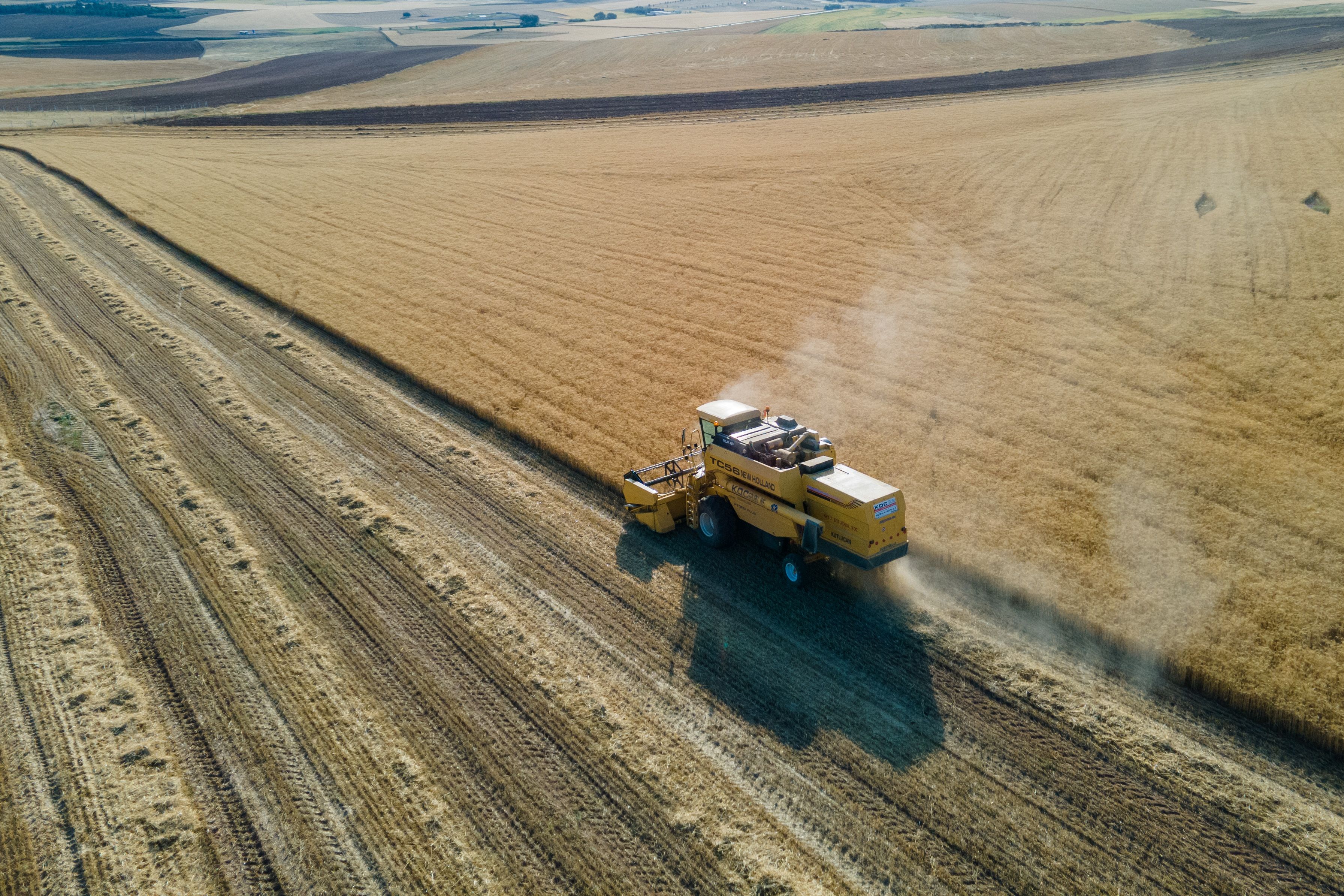
Food & prices
How farming, energy, transport and supermarket competition shape the price on the shelf.
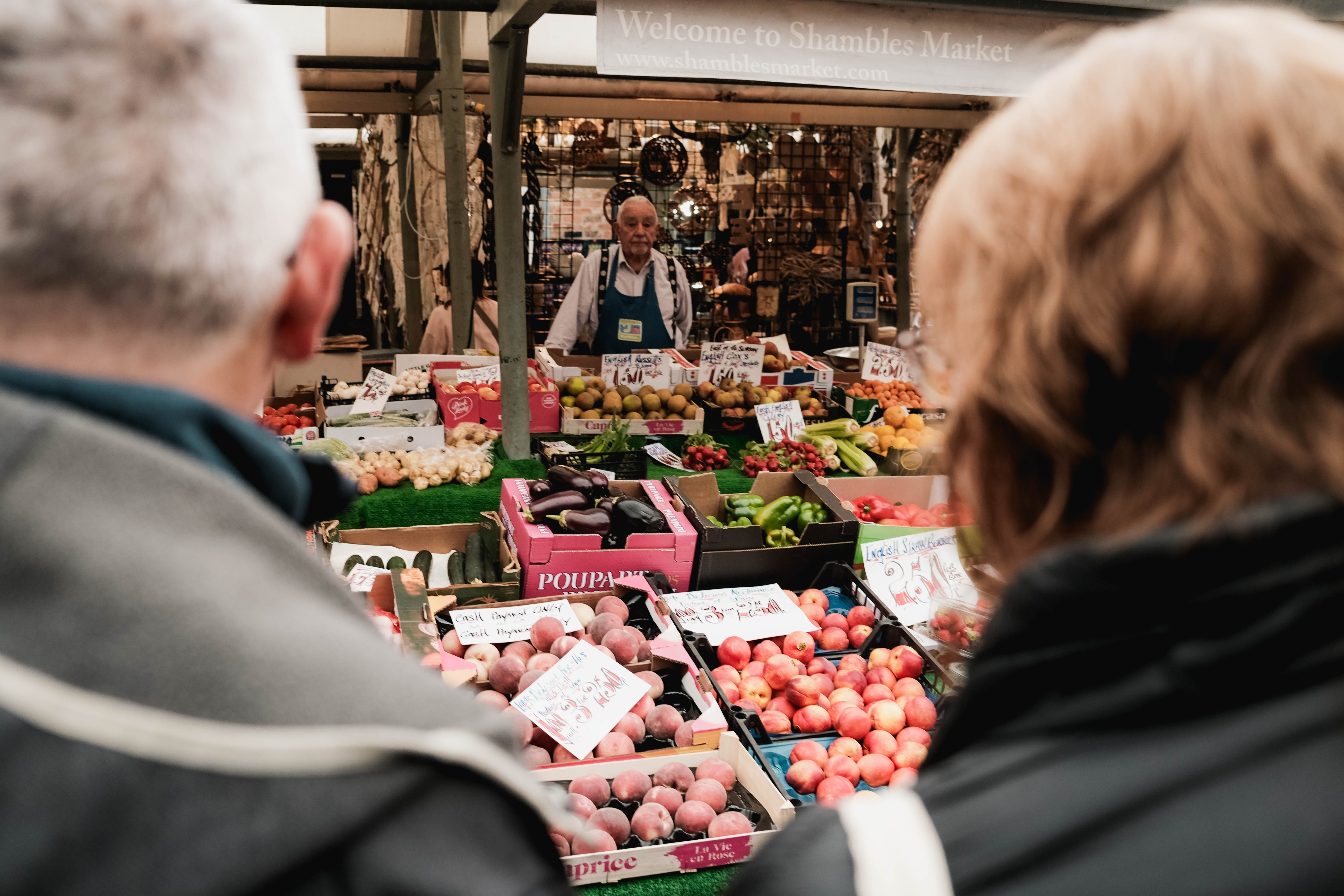
Prices & inflation
What slower price rises mean for wages, purchasing power and economic recovery.

Shared prosperity
Beyond GDP: how we could measure economic success through security, opportunity and living standards.
We're looking to work with individuals and organisations who can contribute funding, expertise, data, technology, or strategic connections to help build better economic tools and research.