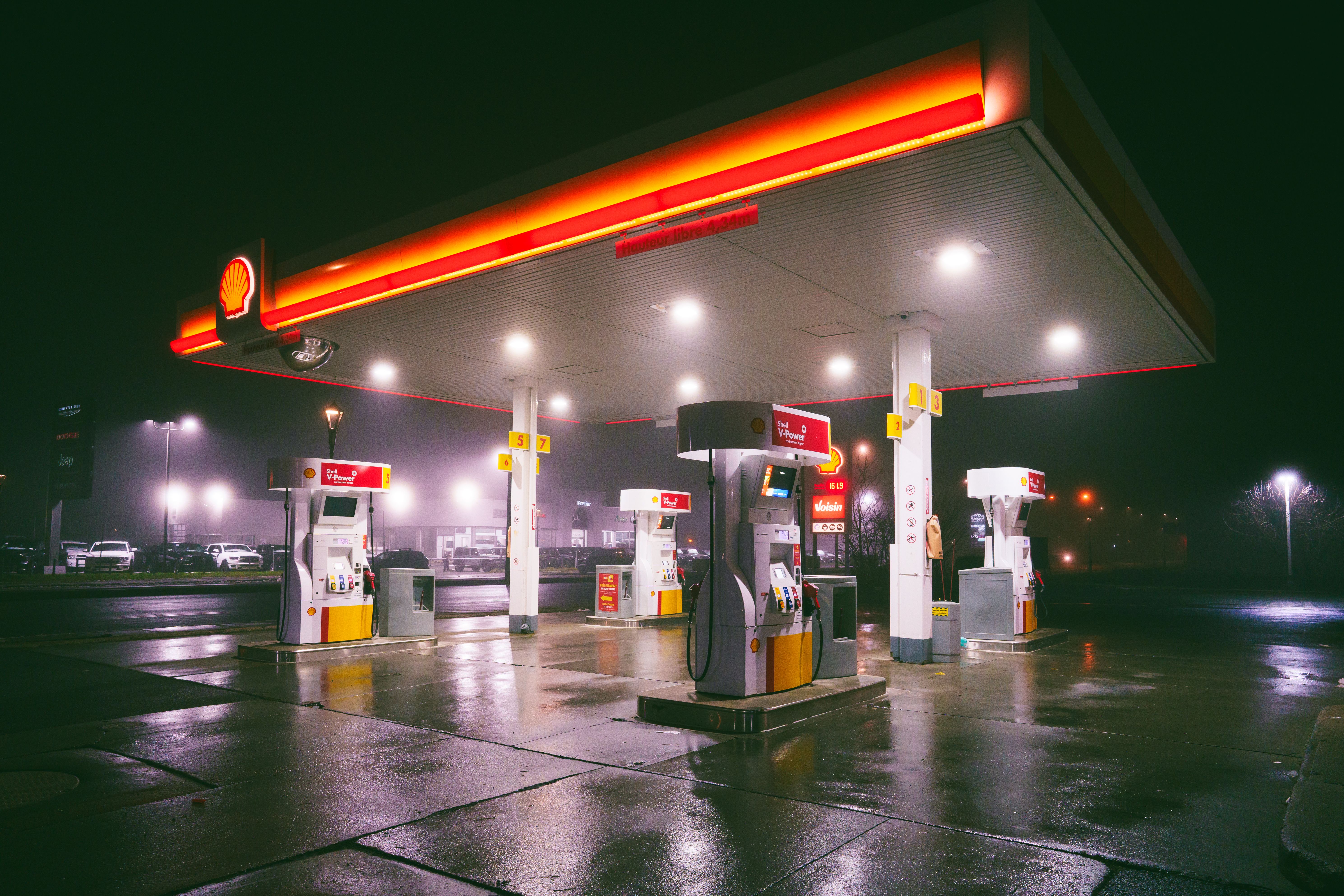
Fuel and travel costs are pushing prices up again
Thursday 5 November 2026
Inflation has risen to 3.1%, meaning everyday spending is getting more expensive just as household budgets are already under pressure.
Going without things or activities considered part of a decent standard of living because you cannot afford them.
Material deprivation looks at what people cannot have or do, rather than only the money coming into their household. UK surveys ask about particular things, such as being able to keep a home warm in cold weather. They distinguish lacking something because it cannot be afforded from simply choosing not to have it. The questions and counting rules can differ for children, working-age adults and pensioners. Some published figures also require the household to be on a low income. A single missing item does not automatically mean someone meets a published deprivation measure.
A household that wants to heat its home adequately but cannot afford to do so may report lacking an item used in a material-deprivation measure. Whether it meets an official published threshold depends on the full set of answers and the measure used.
Income figures do not show every practical difficulty. Looking at what people actually have to go without gives another view of living standards.
Having a household income below a line set using a reference year and then adjusted as prices change.
Money a household receives after direct taxes have been taken off and cash benefits have been added.
Household income after taking off specified housing costs, including rent or mortgage interest.
Having a household income below a set share of what the middle household receives in the same year.
Keep in the loop
Highlights from about the UK economy, the UK government and the UK public sector.
Thursday 5 November 2026
Inflation has risen to 3.1%, meaning everyday spending is getting more expensive just as household budgets are already under pressure.
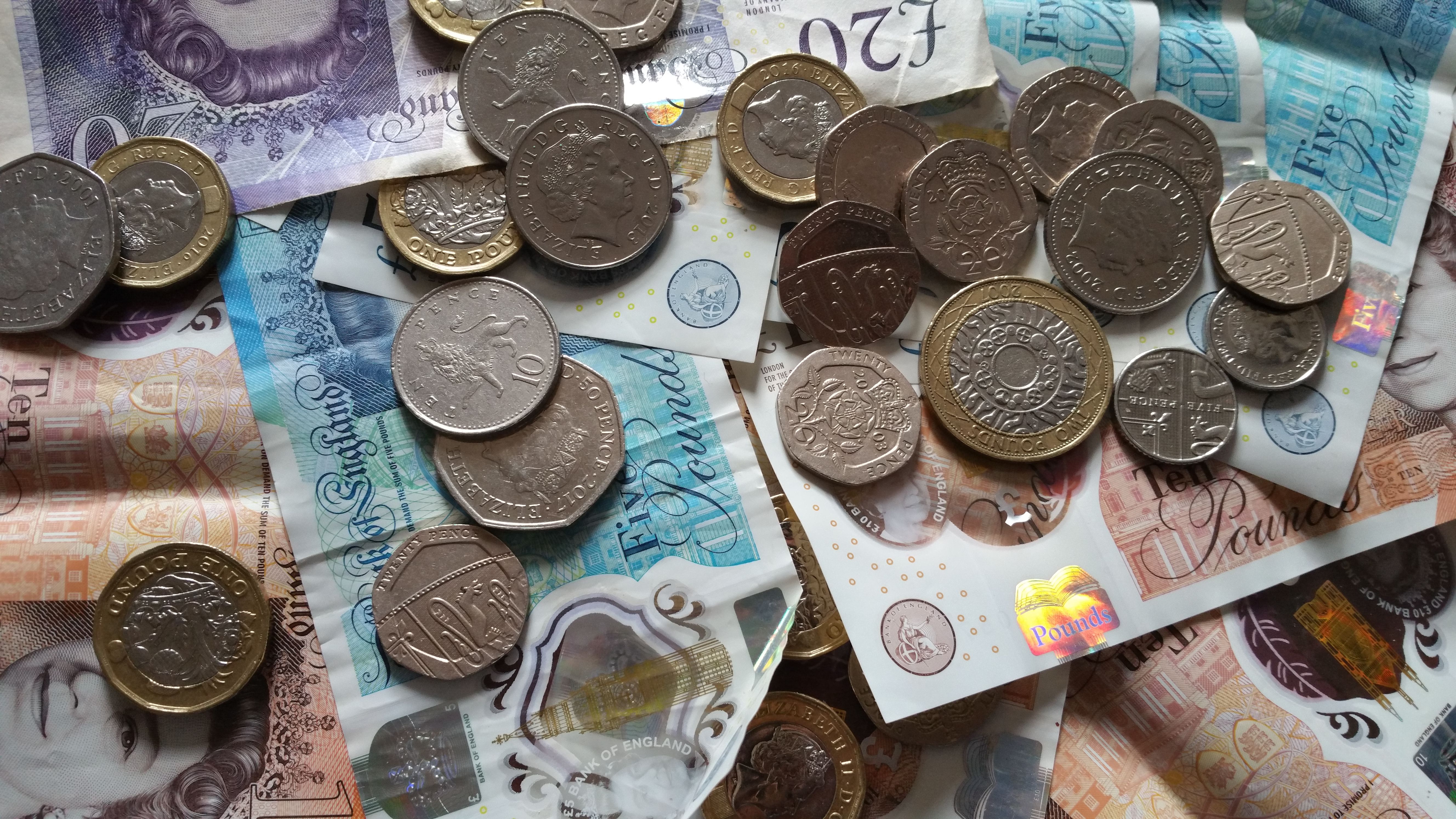
Wednesday 4 November 2026
Interest rates are staying at 3.75%, so households with mortgages and other borrowing may have to wait longer for costs to come down.

Wednesday 4 November 2026
A higher energy price cap means many households will be paying more to heat and power their homes during the colder months.
Guides and insights
Clear, accessible analysis of the economic issues shaping everyday life

Living standards
Comparing the cost of everyday life across generations, from bread and beer to buying a home.

Food & prices
How farming, energy, transport and supermarket competition shape the price on the shelf.
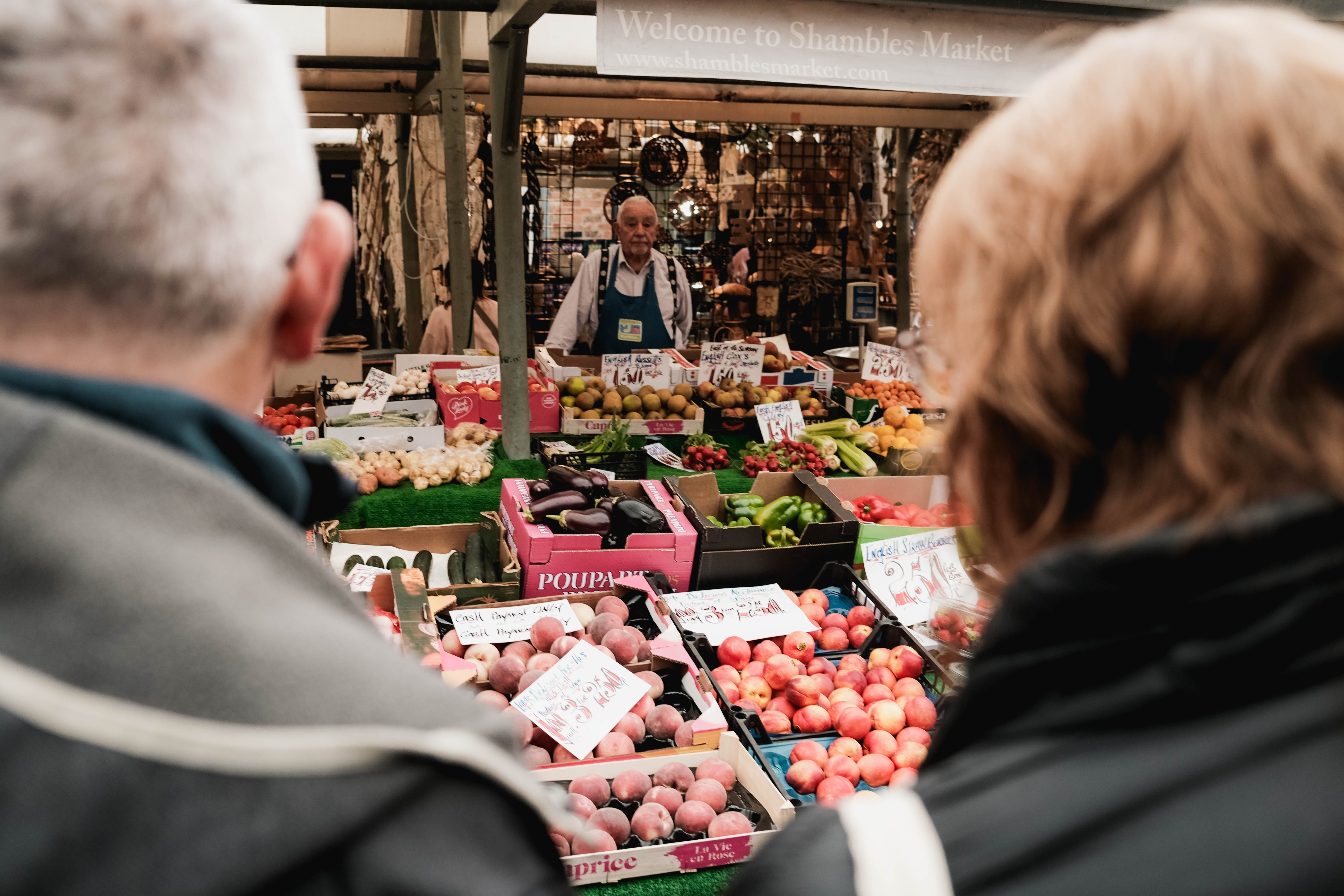
Prices & inflation
What slower price rises mean for wages, purchasing power and economic recovery.

Shared prosperity
Beyond GDP: how we could measure economic success through security, opportunity and living standards.
We're looking to work with individuals and organisations who can contribute funding, expertise, data, technology, or strategic connections to help build better economic tools and research.