
Fuel and travel costs are pushing prices up again
Thursday 5 November 2026
Inflation has risen to 3.1%, meaning everyday spending is getting more expensive just as household budgets are already under pressure.
Decisions by a central bank about interest rates and other tools to influence spending and the pace at which prices rise.
In the UK, the Bank of England uses monetary policy to help keep price rises low and stable. Its main tool is Bank Rate, an interest rate that influences the rates banks offer on loans and savings. It can also buy bonds through quantitative easing when needed. Changes take time to affect households and businesses, and cannot directly fix a shortage of a particular product. Government decisions about taxes and public spending are called fiscal policy.
If prices are rising too quickly, the Bank of England might raise Bank Rate. New borrowing may then become more expensive, which can reduce spending over time. Existing fixed-rate loans may not change straight away.
Monetary policy helps explain changes in borrowing costs, savings rates and inflation, but its effects differ from one household to another.
The main interest rate set by the Bank of England, which influences rates on borrowing and saving.
Government decisions about taxes, spending and borrowing.
A general rise in prices over time.
A central bank creating electronic money to buy bonds, aiming to lower longer-term borrowing costs and support spending.
Keep in the loop
Highlights from about the UK economy, the UK government and the UK public sector.
Thursday 5 November 2026
Inflation has risen to 3.1%, meaning everyday spending is getting more expensive just as household budgets are already under pressure.
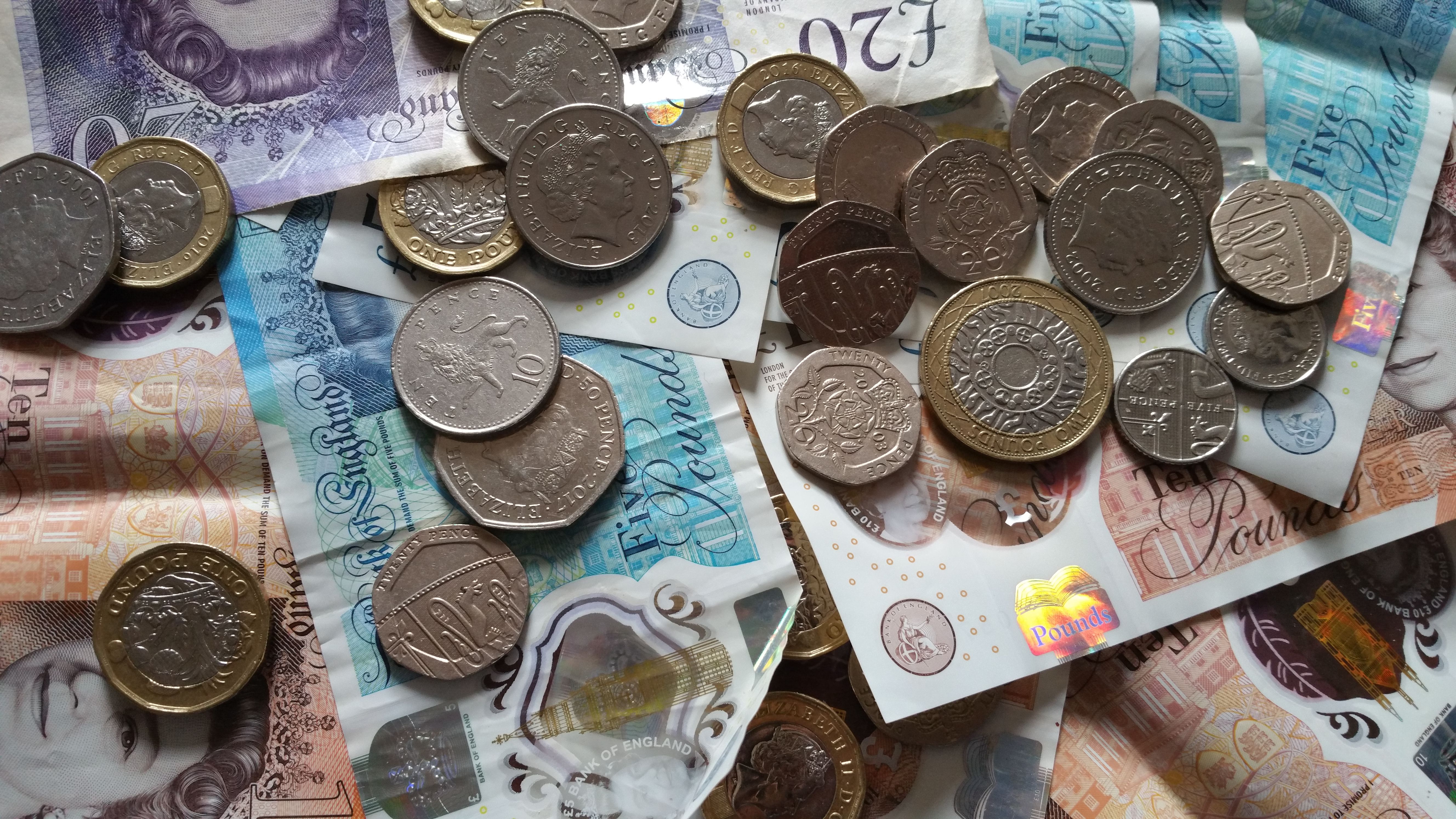
Wednesday 4 November 2026
Interest rates are staying at 3.75%, so households with mortgages and other borrowing may have to wait longer for costs to come down.

Wednesday 4 November 2026
A higher energy price cap means many households will be paying more to heat and power their homes during the colder months.
Guides and insights
Clear, accessible analysis of the economic issues shaping everyday life

Living standards
Comparing the cost of everyday life across generations, from bread and beer to buying a home.

Food & prices
How farming, energy, transport and supermarket competition shape the price on the shelf.

Prices & inflation
What slower price rises mean for wages, purchasing power and economic recovery.

Shared prosperity
Beyond GDP: how we could measure economic success through security, opportunity and living standards.
We're looking to work with individuals and organisations who can contribute funding, expertise, data, technology, or strategic connections to help build better economic tools and research.